Alright, gearheads and luxury sedan enthusiasts, buckle up! You know that eternal debate, the one that keeps us up at night, scrolling through forums and watching countless review videos?
We’re talking about the titans of German performance: the BMW M3 and the Audi RS5. I’ve had the incredible opportunity to get behind the wheel of both these beasts, feeling their raw power and experiencing their distinct personalities firsthand.
It’s truly a tale of two philosophies – one a precision instrument for the track, the other a sophisticated, yet equally potent, daily driver that whispers luxury while still roaring with performance.
With the automotive landscape constantly evolving, especially with whispers of hybrid powertrains making waves even in this segment for upcoming models like the RS5, choosing between them is more intricate than ever.
I’m here to tell you, the devil really is in the details, and what thrills one person might leave another wanting. This isn’t just about horsepower figures; it’s about the soul of the machine and how it connects with you.
So, if you’re wrestling with this high-octane decision, wondering which one truly deserves a spot in your garage, let’s cut through the noise and get down to what really matters in the article below.
The Heart of the Beast: Engine and Powertrain Philosophy
Straight-Six vs. V6: A Battle of Sound and Torque
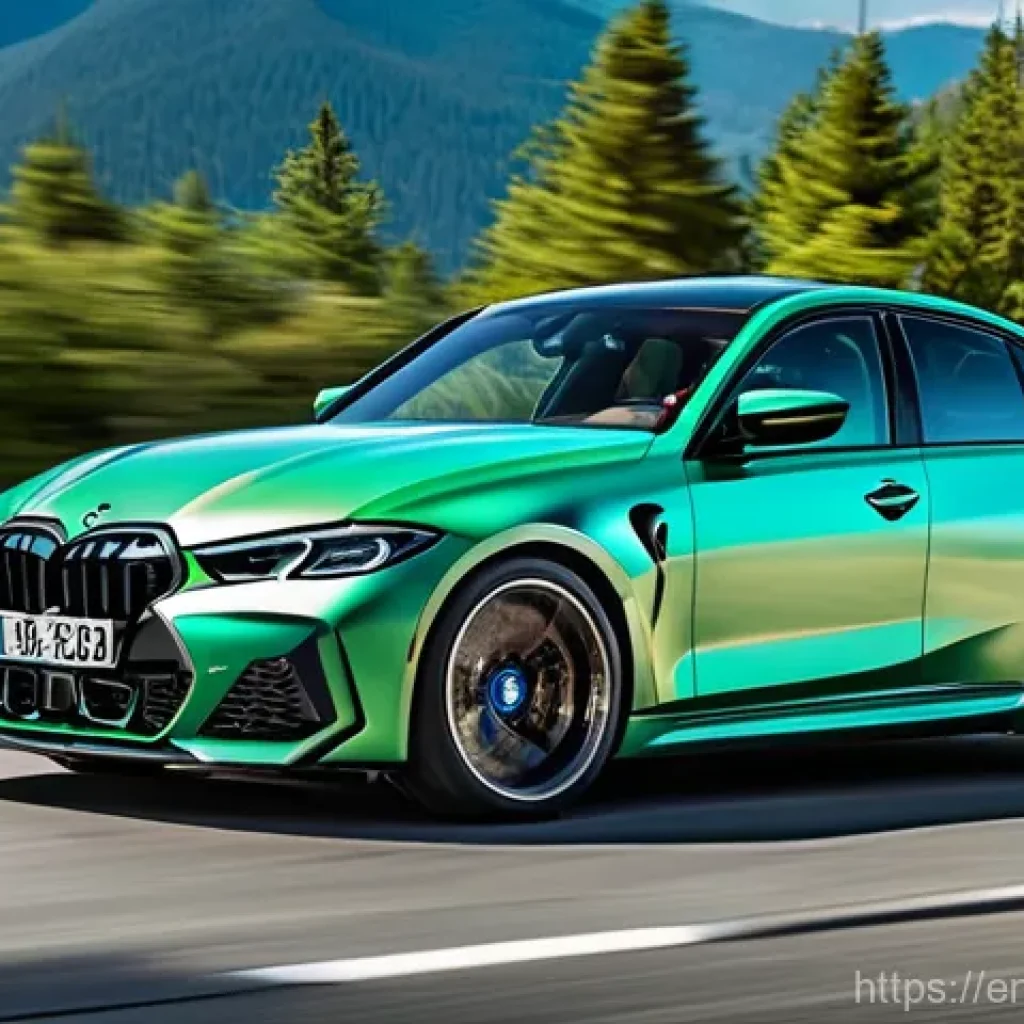
Stepping on the gas in both these cars is an experience unto itself, but oh, how different they feel! The BMW M3, with its legendary S58 twin-turbocharged inline-six, just screams “driver’s car” from the moment you hit the ignition. I remember the first time I really let loose on an open stretch of road; that engine note, a distinctive metallic wail, just gets under your skin. It pulls relentlessly, building power in a linear fashion that feels almost naturally aspirated, even with forced induction. There’s a raw, mechanical honesty to it. The M3’s engine feels like it’s an extension of your right foot, responding with an immediacy that makes you feel incredibly connected to the machine. You can almost feel the individual cylinders working in perfect harmony, a symphony of precision engineering. It’s a pure, unadulterated adrenaline rush, and it consistently puts a huge grin on my face every time I experience it.
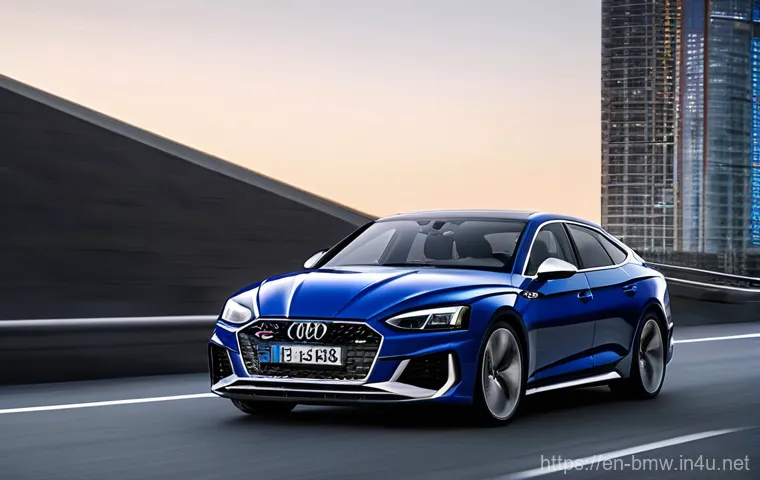
Then you hop into the Audi RS5, and while the experience is equally exhilarating, it’s undeniably different. Its 2.9-liter twin-turbo V6, shared with Porsche, has a different character. It’s incredibly potent, no doubt, delivering a wave of torque almost instantaneously. From a standstill, the quattro all-wheel drive system hooks up with absolute authority, launching you forward with brutal efficiency. There’s a slight, almost imperceptible delay before the turbos fully spool up, but once they do, it’s a tidal wave of thrust. I’ve found it to be exceptionally tractable in daily driving, never feeling overworked, and always ready to surge forward with minimal fuss. While its V6 rumble is certainly satisfying, it doesn’t quite have the exotic howl of the M3’s straight-six when pushed to its limits. It’s more of a refined, muscular growl – potent, yes, but perhaps a tad less theatrical for some enthusiasts. Each car has its own distinct auditory signature, and choosing between them often comes down to personal preference for that specific engine symphony.
Power Delivery: Raw Punch or Refined Surge?
When we talk about how these cars actually put power down, we’re delving into two distinct philosophies. The M3, particularly the Competition model, channels all its formidable power through the rear wheels (or all four in the xDrive version, but I mostly experienced the RWD model for that pure feel). This means that while it offers incredible agility and allows for playful oversteer, you really need to respect that throttle. I’ve had moments where a heavy foot mid-corner could easily unsettle the rear, demanding quick, precise inputs from the driver. It’s exhilarating, a true test of skill, and incredibly rewarding when you get it right. The power delivery is sharp, almost surgical, especially in its most aggressive drive modes. It feels like a scalpel, allowing you to carve through corners with immense precision, constantly communicating exactly what the rear tires are doing. This directness is what BMW M cars are famous for, and the M3 delivers it in spades.
On the flip side, the RS5’s quattro all-wheel drive system fundamentally changes the game. It’s designed for maximum traction and composure, regardless of the conditions. I’ve driven the RS5 in less-than-ideal weather, and the grip it provides is simply astounding. You can stomp on the throttle out of a corner, and it just digs in and goes, often with minimal drama. The power is distributed intelligently, ensuring you always have traction where you need it most. While some might argue it lacks the ultimate “playfulness” of a pure RWD setup, I’ve found its ability to inspire confidence and deploy power so effectively is a huge advantage, especially for those who want to exploit its performance regularly without needing to be a race car driver. It’s a more forgiving, yet equally ferocious, way of putting down serious horsepower, making it an incredibly capable and swift machine under almost any circumstance.
On the Road: Handling Dynamics and Driving Feel
Cornering Prowess: RWD Agility vs. Quattro Grip
This is where the rubber truly meets the road, quite literally. Take the M3 onto a winding back road or a track day, and its rear-wheel-drive architecture shines. The steering, for me, feels incredibly communicative, giving you a crystal-clear picture of what the front tires are doing. There’s a beautiful balance to the chassis that allows you to rotate the car with the throttle, a sensation that is utterly addictive. I remember a particularly tight hairpin turn where, with just the right amount of throttle input, the M3 just pivoted around its axis with a satisfying, controlled slide. It demands your full attention, yes, but it rewards you with an unparalleled sense of engagement and a feeling of being absolutely in control of a very powerful machine. It’s a dynamic dance between driver and car, and when you get the steps right, it’s pure poetry in motion.
The RS5, on the other hand, approaches corners with a different kind of confidence. Its quattro all-wheel-drive system provides phenomenal grip, allowing you to carry incredible speed through bends. You can attack a corner with far more aggression, knowing that the car will simply stick to its line. I’ve noticed a slight tendency for understeer if you push it excessively, but for 99% of driving situations, it feels incredibly stable and secure. The steering, while precise and well-weighted, perhaps lacks a tiny bit of that raw, visceral feedback that the M3 offers. However, what it might give up in ultimate tactile communication, it gains in sheer, unshakeable composure. It’s a car that makes you feel like a hero, allowing you to push harder, knowing that its sophisticated electronics and mechanical grip will have your back. It’s less about dancing with the car and more about guiding a high-speed projectile with pinpoint accuracy.
Suspension Setup: Track-Focused or Grand Tourer Comfort?
Both cars offer adaptive suspension systems, but their default characteristics and overall philosophy differ. The M3, even in its most comfortable settings, retains a firm, sporty edge. You feel the road, every ripple and texture, which for me, enhances the driving experience by providing constant feedback. However, on longer journeys or particularly rough urban roads, it can sometimes feel a bit punishing. I recall a long drive upstate where, after a few hours, I was definitely feeling more of the road imperfections than I might have preferred. But flick it into Sport or Sport Plus, and it transforms, tightening up beautifully for track use, eliminating body roll and providing incredible stability under hard cornering. It’s a compromise, sure, but one that hardcore driving enthusiasts are more than willing to make for its ultimate performance capabilities.
The RS5 strikes a more balanced chord with its suspension. Even in its dynamic modes, it manages to maintain a remarkable level of ride comfort, absorbing bumps and imperfections with a composure that often surprises. This makes it a fantastic long-distance cruiser and a much more palatable daily driver if your commute involves less-than-perfect pavement. I’ve spent many hours in the RS5 on varied road surfaces, from smooth highways to broken city streets, and it consistently delivers a refined and compliant ride. While it can firm up for spirited driving, it doesn’t quite achieve the same level of track-focused stiffness as the M3. It leans slightly more towards the “Grand Tourer” side of the spectrum, offering a fantastic blend of dynamic capability and everyday liveability. It’s a car you can comfortably drive across the country and then still enjoy on a twisty mountain pass without feeling like you’ve been rattled.
Luxury Meets Performance: Interior Comfort and Technology
Cabin Ergonomics: Driver-Centric vs. Modern Minimalism
When you slip inside the M3, you’re immediately greeted by an environment that screams “performance.” The M-specific seats hug you tightly, providing excellent bolstering for spirited driving, and everything feels geared towards the driver. The steering wheel, thick-rimmed and perfectly sized, feels substantial in your hands. The digital gauge cluster and infotainment screen are well-integrated, but there’s still a good array of physical buttons for essential functions, which I personally appreciate when I’m focusing on the road. The carbon fiber trim options and the iconic M stitching just add to that race-inspired feel. It’s a cockpit designed for engagement, where every control seems intuitively placed for quick access and minimal distraction. I find myself constantly admiring the thoughtful touches that emphasize its sporting pedigree, from the illuminated M logos to the precise clicks of the paddle shifters.
The RS5’s interior, on the other hand, embodies Audi’s signature blend of sophisticated design and high-tech minimalism. The materials are top-notch, often feeling a notch above in terms of perceived luxury, with fine Nappa leather, intricate stitching, and elegant aluminum or carbon fiber accents. The virtual cockpit digital display is a showstopper, offering stunning clarity and customizable views that can put your navigation map right in front of you. The infotainment system, typically with a large, crisp touchscreen, is intuitive to use, though it relies more heavily on touch inputs than the M3. The seats are supportive and comfortable for long hauls, though perhaps not as aggressively bolstered as the M3’s for extreme track work. It feels more like a luxurious, high-performance lounge – a place where you can eat up miles in supreme comfort while still having serious power on tap. The clean lines and uncluttered dashboard create a serene atmosphere, a testament to Audi’s design philosophy.
Infotainment and Driver Assists: Gadgetry That Matters
In terms of technology, both cars are absolutely packed with the latest and greatest, but they present it in slightly different ways. BMW’s iDrive system in the M3 is incredibly refined now, with both a rotary controller and touchscreen functionality. I’ve become quite adept at using the iDrive controller without even looking, which is a huge plus when I’m focused on driving. Apple CarPlay and Android Auto integration are seamless, and the head-up display is fantastic for keeping crucial information in your line of sight. The driver assist systems, like adaptive cruise control and lane-keeping, work effectively without being overly intrusive. My experience with BMW’s parking assistant has also been surprisingly good, making tight parallel parking a breeze, which is a nice touch for a high-performance sedan. It’s a comprehensive suite of tech that enhances the driving experience without getting in the way.
Audi’s MMI system in the RS5 is equally impressive, perhaps even visually more stunning with its Virtual Cockpit Plus. The customizable digital display is a genuine highlight, allowing you to prioritize information like a large navigation map or performance gauges. The primary infotainment touchscreen is responsive and the haptic feedback is a nice touch, though I occasionally miss a physical rotary dial for some functions. Audi’s driver assist technologies are also very advanced, and I’ve found their adaptive cruise control to be exceptionally smooth in stop-and-go traffic. Features like traffic jam assist can significantly reduce fatigue on long, congested commutes. Both cars offer fantastic sound systems, but I’ve always had a soft spot for Audi’s Bang & Olufsen setup – it truly fills the cabin with rich, immersive sound. It really comes down to whether you prefer BMW’s more tactile approach with some physical controls or Audi’s more screen-centric, futuristic interface.
The Daily Grind: Practicality and Usability
Space and Storage: Can You Live With It Every Day?
Let’s be real, while these cars are absolute rockets, most of us aren’t just taking them to the track. They need to function as daily drivers, and that means considering practicality. The M3, being a sedan, offers decent rear-seat space for adults on shorter journeys, though legroom can get a bit tight for taller passengers over long distances. The trunk space is respectable for a car in this segment, easily swallowing a couple of suitcases or a week’s worth of groceries. I’ve used my friend’s M3 for airport runs, and it manages just fine. The aggressive M seats, while fantastic for performance, can be a bit of a challenge for ingress and egress for some, especially if you have to do it frequently. However, for a high-performance four-door, it strikes a good balance between sportiness and functionality, proving that you don’t always need to compromise on utility for thrill.
The RS5, available as a Sportback (which is essentially a five-door liftback), genuinely excels in this area. The hatchback design provides a much larger and more accessible cargo area compared to a traditional sedan. I’ve been amazed at how much stuff I can fit in the back of an RS5 – from golf clubs to flat-pack furniture, it handles it all with ease. The rear seats also offer generous legroom, making it a genuinely comfortable place for adults on longer trips. The wider opening of the liftback makes loading and unloading bulky items a breeze, a practical advantage that shouldn’t be underestimated. This is where the RS5 truly distinguishes itself for those who need a high-performance machine that can also serve as a versatile family car. It’s the perfect blend of supercar performance with genuine, usable practicality for everyday life, something I really appreciate.
Fuel Economy and Maintenance: The Real-World Costs
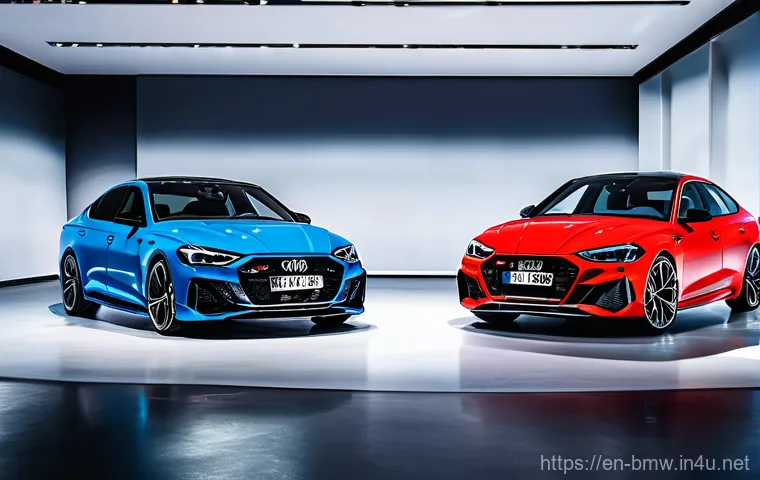
Owning a performance car means accepting that fuel economy won’t be top of the list, but it’s still a factor in daily usability. Both the M3 and RS5 are quite efficient for their power outputs, hovering in the low-to-mid 20s MPG on the highway under normal driving conditions. Of course, once you start digging into those turbos, expect those numbers to drop significantly. I’ve found that my M3-driving buddies typically see slightly lower figures around town due to the temptation of that glorious exhaust note and sharper throttle response. Maintenance-wise, both German brands command premium prices for parts and servicing. These aren’t cheap cars to run, and unexpected repairs can certainly sting the wallet. It’s crucial to factor in these running costs when considering ownership, as they can quickly add up. However, the joy of driving these machines often outweighs the financial pinch for enthusiasts.
Here’s a quick overview of some key aspects:
| Feature | BMW M3 (Competition RWD) | Audi RS5 Sportback |
|---|---|---|
| Engine | 3.0L Twin-Turbo I6 | 2.9L Twin-Turbo V6 |
| Horsepower (approx.) | 503 hp | 444 hp |
| Torque (approx.) | 479 lb-ft | 443 lb-ft |
| Drivetrain | Rear-Wheel Drive (xDrive optional) | Quattro All-Wheel Drive |
| 0-60 mph (approx.) | 3.8 seconds | 3.7 seconds |
| Trunk Space (approx.) | 17 cu ft | 21.8 cu ft (Sportback) |
The Sound and the Fury: Exhaust Notes and Sensory Experience
That Distinctive Roar: Orchestrating an Engine Symphony
The auditory experience in a performance car is just as crucial as the feel, and both the M3 and RS5 deliver in spades, albeit with their own unique melodies. The M3, especially with the optional M Performance exhaust, produces a raw, aggressive sound that’s instantly recognizable. From a guttural growl at idle to a furious metallic shriek as the revs climb, it’s a symphony designed to excite. I absolutely adore the distinct rasp and the delightful crackles and pops on the overrun; it’s an intoxicating sound that encourages you to keep pushing. It truly enhances the sense of speed and drama, making every tunnel and overpass an opportunity to roll down the windows and revel in the sound. It communicates the engine’s effort and emotions directly to you, almost like a living, breathing entity, constantly reminding you of the power under the hood.
The RS5’s exhaust note, while different, is equally compelling. Its V6, particularly with the optional sport exhaust, emits a deep, resonant rumble that’s undeniably muscular. It’s a more refined and perhaps less overtly dramatic sound than the M3’s, but it’s potent and satisfying. When you downshift and hear that aggressive burble, or let it rip under wide-open throttle, there’s no doubt you’re in a seriously fast machine. It’s a sound that suggests effortless power and sophisticated performance, rather than raw aggression. I’ve noticed it’s a bit more subdued in its quieter settings, which is great for long commutes where you don’t want constant droning, but it readily opens up when you dial into the dynamic modes. It’s a sound that perfectly complements the car’s blend of luxury and performance, never feeling out of place whether you’re cruising or carving corners.
Beyond the Sound: The Tactile and Visual Appeal
The sensory experience extends far beyond just what you hear. In the M3, the heavy, precise feel of the steering, the firm but communicative brake pedal, and the snick-snick action of the ZF 8-speed automatic (or the pure engagement of the manual in some models) all contribute to an immersive tactile experience. The exterior styling, with its aggressive lines, prominent kidney grille, and flared wheel arches, just exudes a sense of controlled violence. It looks fast even when standing still, a true statement piece that commands attention. The way the light catches its sharp creases and muscular proportions makes it visually arresting. Every detail, from the aerodynamic mirrors to the quad exhaust tips, feels purposeful and contributes to its unapologetically sporty aesthetic. It’s a car that truly appeals to all the senses, constantly engaging you.
The RS5, on the other hand, presents a more understated yet equally powerful visual. Its Sportback silhouette is sleek, elegant, and timeless, with a graceful roofline that flows seamlessly into the integrated spoiler. The wide stance and aggressive front fascia with those signature Audi lights give it a purposeful look without being overtly flashy. Inside, the quality of the materials and the meticulous attention to detail create an environment that feels exceptionally well-crafted. The soft-touch plastics, precisely damped switchgear, and crisp digital displays all add to a sense of premium refinement. The subtle carbon fiber accents or brushed aluminum trim blend seamlessly, contributing to its sophisticated ambiance. It’s a car that offers immense performance wrapped in a package that whispers luxury and class, rather than shouting it. The way the door closes with a satisfying thud, the precise movement of the controls – it all contributes to an overall feeling of solid, high-quality engineering.
Investment and Ownership: Value and Future Outlook
The Driver’s Choice: Pure Engagement or All-Weather Confidence
When it comes down to the core decision, it often boils down to what you prioritize in a high-performance vehicle. The M3, in its purest form, is undeniably a driver’s car. It prioritizes engagement, feedback, and the exhilarating challenge of mastering a powerful rear-wheel-drive machine. For those who live for the thrill of a perfectly executed drift, the precision of a manual gearbox (where available), and the direct communication from the road, the M3 is an emotional choice. It feels like a true extension of your desires, responding with an eagerness that can be truly addictive. My personal experience leans heavily towards the M3 when I want that raw, unadulterated driving pleasure, especially on a sunny day with open roads. It’s a car that demands your skill and rewards it exponentially, truly making you feel like a part of the machine. It’s an enthusiast’s dream, a performance legend in its own right.
The RS5, by contrast, offers a different kind of prowess. Its all-wheel-drive system and more compliant ride make it an incredibly versatile and confidence-inspiring machine for all seasons and all roads. If you live somewhere with inclement weather, or simply want the peace of mind that comes with prodigious grip, the RS5 is an incredibly compelling option. It delivers blistering performance with a level of composure and ease that makes it exceptionally fast in almost any real-world scenario. You can enjoy its incredible speed and sophisticated luxury without feeling like you constantly need to be on high alert. I’ve found it to be the perfect companion for long road trips and navigating unpredictable conditions, where its secure handling and luxurious cabin truly shine. It’s the smart choice for someone who wants supercar-level performance fused with genuine everyday usability and a touch of understated elegance. It’s a car that works for you, rather than demanding everything from you.
Resale and Long-Term Ownership: Protecting Your Investment
Considering the significant investment these cars represent, their long-term value and ownership experience are definitely factors to weigh. Both BMW M and Audi RS models generally hold their value quite well, especially if maintained meticulously and spec’d wisely. However, market trends can influence this. BMW M cars, particularly those with a manual transmission or limited editions, often develop a cult following which can translate into strong resale values down the line. There’s a certain “legacy” factor that BMW M cars carry that often resonates strongly with enthusiasts. I’ve observed that particularly clean, well-documented M3s tend to retain a significant portion of their original price, often making them a sound, albeit high-cost, investment for the passionate driver.
The Audi RS5 also maintains good resale value, particularly the Sportback models which offer that added practicality. Its blend of performance, luxury, and versatility often appeals to a broader audience, which can also help its long-term market appeal. While perhaps not always reaching the dizzying heights of some special M models, the RS5 offers a consistent and predictable depreciation curve. From a maintenance perspective, both brands can be costly, as mentioned earlier. Factor in premium fuel, specialized tires, and potentially higher insurance premiums, and the total cost of ownership needs careful consideration. My advice? Get extended warranties if possible, and budget realistically for servicing. Ultimately, both offer a rewarding ownership experience, but it’s crucial to go in with eyes wide open about the financial commitments. But hey, for the thrill they provide, many of us agree it’s a price worth paying!
글을 마치며
What a ride it’s been delving deep into the souls of the BMW M3 and Audi RS5! Honestly, spending time with these phenomenal machines isn’t just about driving; it’s an experience that truly gets under your skin. Each car, with its distinct personality, has left an indelible mark on me, showcasing the pinnacle of German engineering in its own unique way. The M3, with its raw, visceral engagement, calls to the purist’s heart, while the RS5 offers a masterclass in sophisticated, all-weather performance. It’s clear there’s no single “winner” here; rather, it’s about aligning your driving desires with what these incredible vehicles so passionately offer. I hope my shared experiences have given you a clearer picture of which beast might just capture your own driving spirit!
알아두면 쓸모 있는 정보
1. Understand Your Driving Habits: Before making such a significant investment, really think about where and how you’ll be driving this car most of the time. Are you a weekend warrior hitting canyon roads, or is this primarily your daily commuter in varied weather? Your typical driving environment should heavily influence your choice between the M3’s sharper edge and the RS5’s all-weather prowess. It’s easy to get caught up in the fantasy, but real-world use matters!
2. Extended Test Drives Are Key: Don’t just take a quick spin around the block. If possible, arrange for longer test drives that allow you to experience both cars on different road types – open highways, twisty roads, and even some city traffic. Pay close attention to how the suspension feels over bumps, the responsiveness of the steering, and the comfort of the seats during an extended period. This hands-on experience is invaluable for truly understanding their character.
3. Budget Beyond the Purchase Price: Remember, the sticker price is just the beginning. High-performance vehicles come with premium fuel requirements, specialized tire costs that can be substantial, higher insurance premiums, and more expensive scheduled maintenance. Factor these ongoing costs into your budget to avoid any unpleasant surprises down the road. Trust me, you don’t want to skimp on maintaining these magnificent machines.
4. Practicality for Your Lifestyle: While performance is paramount, consider your daily life. Do you frequently carry passengers, or need space for groceries, sports gear, or luggage? The RS5 Sportback offers significantly more versatile cargo space and easier access thanks to its liftback design, which can be a huge advantage for family duties or active lifestyles. The M3, while a sedan, is less practical in comparison for bulky items.
5. Explore Aftermarket and Customization Options: Both BMW and Audi have thriving aftermarket communities. If customization is important to you, research the availability of performance upgrades, aesthetic modifications, and tuning options for each model. This can often enhance the ownership experience and allow you to truly make the car your own, but always consider how it impacts warranties or future resale.
중요 사항 정리
Ultimately, the BMW M3 and Audi RS5 represent two distinct philosophies of high-performance driving. The M3 delivers a more raw, visceral, and driver-centric experience, emphasizing rear-wheel-drive dynamics and an intoxicating straight-six engine note. It truly shines when pushed to its limits, offering unparalleled engagement for the purist. The RS5, conversely, masterfully blends formidable power with sophisticated all-wheel-drive composure and luxurious practicality, making it an incredibly versatile and capable everyday supercar. Your ideal choice hinges entirely on whether you prioritize ultimate driving involvement and track-day prowess, or a more refined, all-weather capable, and exceptionally practical high-performance grand tourer. Both are phenomenal, just in their own brilliant ways.
Frequently Asked Questions (FAQ) 📖
Q: For someone who wants a car that truly shines on the weekend track day but can still handle the daily commute, which one should I lean towards, the M3 or the RS5?
A: Oh, this is the million-dollar question, isn’t it? And honestly, it boils down to what “handle the daily commute” truly means to you. Having spent significant time with both, I can tell you there’s a distinct personality here.
The M3, especially in its purest form, feels like it was born on the track. It’s sharp, direct, and almost telepathic in its steering response. When I’ve taken it to my local circuit, it just comes alive – every input is met with an immediate, thrilling reaction.
You feel every single road imperfection, which is brilliant for feedback on a smooth track, but let me tell you, driving it through congested city streets or over some of the pothole-ridden roads we have here?
It can be a rather firm experience. It demands your attention constantly, and while exhilarating, it can be a bit much after a long day. The RS5, on the other hand, with its Quattro all-wheel drive, feels a bit more buttoned-down and composed as a daily driver.
It’s still incredibly fast and capable on a spirited drive or even a casual track day, but it smooths out the rough edges of daily life beautifully. The ride is more compliant, the cabin generally quieter, and it just feels a touch more relaxed.
I remember one rainy morning, the RS5’s surefootedness was incredibly reassuring. So, if your “daily commute” involves lots of traffic and less-than-perfect roads, and your track days are occasional fun rather than competitive pursuits, the RS5 might just be the more sensible, yet still incredibly potent, choice.
If you live for the track and can tolerate a stiffer ride for that unadulterated connection every single day, the M3 is your weapon.
Q: Beyond the raw performance numbers, what’s the real-world driving experience like, and how does each car connect with you emotionally?
A: This is where the true heart of the comparison lies for me, because frankly, both of these machines are ludicrously fast. It’s not about 0-60 times anymore, it’s about the feeling.
When I’m in the M3, there’s this raw, almost aggressive energy that permeates everything. The engine note is more mechanical, more guttural, and you feel a direct connection to every single component.
It’s like a finely tuned instrument that requires and rewards your precise inputs. I’ve found that it really pushes you to be a better driver; it almost dares you to extract every ounce of its potential.
There’s a visceral thrill that’s hard to articulate – a sense of being truly at one with the machine when you nail a corner. It puts a huge grin on my face every single time.
The RS5, however, offers a different kind of emotional connection. It’s more sophisticated, more refined, but no less potent. The power delivery feels smoother, almost effortless, yet it pulls with incredible force.
That Quattro system just instills immense confidence, allowing you to carry astonishing speed through corners with an almost unflappable demeanor. It feels less like a demanding partner and more like a supremely capable, luxurious ally.
While the M3 might ignite a passionate, almost primal joy, the RS5 offers a more confident, composed kind of satisfaction. It’s the difference between a finely sharpened razor and a velvet hammer – both incredibly effective, but delivering their impact in entirely different ways.
Personally, on a long drive, the RS5’s effortless competence and luxurious appointments make it a more relaxing companion, while the M3’s intensity is something I crave for those short, spirited blasts.
Q: Considering the current market and whispers about future models (like hybrid powertrains for the RS5), how might my long-term ownership experience or even resale value differ between these two?
A: That’s a fantastic question, and one that savvy buyers are definitely pondering right now. The automotive world is shifting, and these high-performance models aren’t immune.
When we talk about long-term ownership, especially considering resale, a few factors come into play. The M3, particularly the pure internal combustion engine (ICE) versions, holds a certain appeal to enthusiasts who value that unadulterated driving experience.
There’s a strong, dedicated fan base for BMW M cars, and I’ve seen over the years how well certain generations of M3 retain their value, often becoming desirable classics.
However, as stricter emissions regulations come into play and the industry leans more towards electrification, the M3’s traditional, somewhat less efficient powertrain could theoretically face higher running costs in the distant future, or become a niche collectible.
With the RS5, and the very real whispers about hybrid powertrains in upcoming models, it presents a different scenario. A hybrid RS5 could be seen as a more future-proof option, potentially offering better fuel economy and lower emissions, which might make it more attractive to a broader market down the line.
For current RS5 models, this could mean one of two things: either they become “the last of the pure ICE RS5s” and gain a collector status, or they might see a slight dip in appeal if the new hybrid is significantly more powerful or efficient.
From my experience, Audi’s luxury appeal and Quattro system tend to offer a more universal desirability, which can contribute to solid resale. My gut feeling, if you’re looking for a vehicle that might hold its value well as a pure enthusiast’s car, the M3 might have a slight edge with its dedicated following.
But if you’re looking for a more “mainstream luxury performance” car that might adapt better to evolving environmental standards, the current RS5, or its potential hybrid successor, could be a very smart long-term bet.
Honestly, it’s a bit of a gamble either way right now, but both are such fantastic machines, you’ll win either way in terms of driving pleasure!