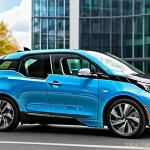
The BMW i8, with its futuristic design and groundbreaking hybrid powertrain, captured the imagination of car enthusiasts worldwide. I remember when it first hit the scene, it felt like a glimpse into tomorrow, blending supercar aesthetics with surprising efficiency.
Many of us, myself included, dreamed of cruising down the highway in such an undeniably cool machine. But here’s the thing about dreams and hybrid sports cars: while the initial allure is powerful, the practicalities of ownership, especially those ongoing running costs, can sometimes bring you back to reality with a jolt.
After all, it’s not just about the purchase price; it’s about what it truly costs to keep this exotic beauty on the road, year after year. From servicing those intricate hybrid components to replacing those distinctive tires, there’s a lot to consider.
So, if you’ve ever wondered what it *really* takes to maintain a BMW i8, beyond the gas pump, you’re in the right place. We’re about to pull back the curtain and get into the nitty-gritty details.
Let’s dive deeper into the real-world expenses, and I’ll give you the definitive lowdown!The BMW i8, with its futuristic design and groundbreaking hybrid powertrain, captured the imagination of car enthusiasts worldwide.
I remember when it first hit the scene, it felt like a glimpse into tomorrow, blending supercar aesthetics with surprising efficiency. Many of us, myself included, dreamed of cruising down the highway in such an undeniably cool machine.
But here’s the thing about dreams and hybrid sports cars: while the initial allure is powerful, the practicalities of ownership, especially those ongoing running costs, can sometimes bring you back to reality with a jolt.
After all, it’s not just about the purchase price; it’s about what it truly costs to keep this exotic beauty on the road, year after year. From servicing those intricate hybrid components to replacing those distinctive tires, there’s a lot to consider.
For instance, replacing the high-voltage battery can range from around $5,000 to over $8,000, depending on the year and whether you opt for new or remanufactured units.
General maintenance for a BMW i8 can average around $3,200 annually, with routine maintenance making up about $2,000 and typical repairs accounting for another $1,200.
Tire replacements, often a significant expense for performance vehicles, are another point to factor in, as some owners report them lasting only about 10,000 miles.
So, if you’ve ever wondered what it *really* takes to maintain a BMW i8, beyond the gas pump, you’re in the right place. We’re about to pull back the curtain and get into the nitty-gritty details.
Let’s dive deeper into the real-world expenses, and I’ll give you the definitive lowdown!
Beyond the Showroom: The Real Investment in an i8
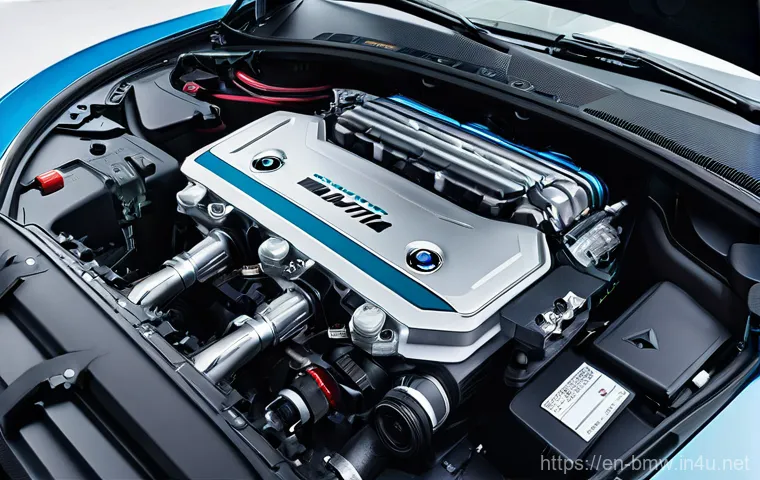
Okay, so you’ve seen the BMW i8. Maybe you’ve even had the chance to sit in one, or if you’re lucky, take it for a spin. That sleek, futuristic silhouette, those butterfly doors, the quiet hum of electric power followed by the sporty growl of the petrol engine – it’s truly a marvel. I remember the first time I saw one on the road; I nearly drove off myself gawking! It effortlessly marries supercar aesthetics with surprisingly efficient hybrid technology, which was revolutionary when it first arrived. It felt like a true glimpse into what the future of performance cars could be. Many of us, myself included, certainly dreamed of owning such a machine. But let’s be honest, the initial purchase price, while significant, is often just the beginning of the financial journey with an exotic hybrid like this. The thrill of ownership isn’t just about the initial wow factor; it’s about understanding what it genuinely takes to keep such a sophisticated vehicle running smoothly, year after year. Those ongoing costs can sometimes be a reality check, pulling you back from that dream-like state. It’s not just about filling up the tank or plugging it in; there are layers of specialized maintenance and unexpected expenses that come with a car this advanced. Knowing what those entail upfront can save you a lot of headaches, and more importantly, a lot of cash down the line. We’re talking about everything from routine check-ups for those intricate hybrid components to the specific tires required for its unique performance profile. Let’s peel back the layers and discover the actual commitments involved in keeping this engineering masterpiece on the road.
Unpacking the Initial Allure: Is the i8 Still a Head-Turner?
There’s no denying that the BMW i8 still commands attention, even years after its debut. When it first burst onto the scene, it was a legitimate showstopper. It literally redefined what a hybrid sports car could look like, blending aggressive lines with an undeniably aerodynamic and futuristic aesthetic. Driving one, I’ve noticed, still draws admiring glances and countless questions at gas stations – people are genuinely fascinated. That initial allure, that feeling of driving something truly special and a bit ahead of its time, is a huge part of its appeal. It’s a statement, a testament to BMW’s audacious vision for sustainable performance. And frankly, that feeling is priceless for many owners. However, that groundbreaking technology and distinctive design also come with their own set of considerations. The unique carbon fiber structure, the blend of electric motors and a gasoline engine, the specialized components – these aren’t your everyday sedan parts. While the car’s presence is undeniable, its continued maintenance journey requires a deeper dive into the specifics, moving beyond just the visual appeal. It’s a balance of appreciating its stunning design and understanding the engineering complexities that lie beneath its beautiful skin, which, as you might guess, often translates to specific maintenance requirements.
The Electric Heartbeat: Understanding Battery and Hybrid System Upkeep
The very essence of the i8’s revolutionary spirit lies in its intricate hybrid powertrain. This isn’t just a powerful engine; it’s a symphony of a turbocharged three-cylinder gasoline engine working in tandem with an electric motor and a high-voltage battery pack. For anyone who’s owned a regular petrol car, this immediately flags a new set of maintenance considerations. I’ve found that many potential owners, myself included initially, tend to overlook the specific needs of these advanced hybrid systems. The high-voltage battery, for instance, is the backbone of its electric range and performance. While BMW engineered these batteries for longevity, they aren’t immortal. Over time and with use, their capacity can degrade, much like the battery in your smartphone. Replacing the high-voltage battery can be a significant expense, ranging from around $5,000 to over $8,000, depending on the year of your i8 and whether you opt for new or remanufactured units. This is definitely one of those “ouch” moments if you’re not prepared. Beyond the battery itself, the entire hybrid system requires specialized diagnostic tools and expertise. You can’t just take it to any mechanic down the street; you’ll need a certified BMW technician who understands the intricacies of high-voltage systems. This often means dealership servicing, which, as we all know, usually comes with a premium price tag. Regular check-ups are crucial to ensure all components – from the electric motor to the power electronics – are functioning optimally, preventing minor issues from escalating into major, costly repairs. It’s a bit like having a high-performance computer; you need to keep its software and hardware in sync for peak performance.
Keeping it Moving: Tire Talk and Suspension Surprises
When you’re driving a car designed for performance and efficiency, like the i8, the tires aren’t just an afterthought; they’re a critical component of its handling, safety, and unique aesthetic. And let me tell you, these aren’t your average tires you pick up at any discount store. The i8 typically comes with specific, often asymmetrical, performance-oriented tires designed to complement its lightweight construction and power delivery. The staggered setup, with narrower fronts and wider rears, is also common, meaning you can’t always rotate them freely, which can impact their lifespan. From my experience, these high-performance tires, especially if you enjoy putting the i8 through its paces, tend to wear out quicker than standard tires. Some owners report getting as little as 10,000 miles out of a set, which, when you consider the cost of these specialized tires, can add up quickly. A full set can easily run you over $1,000, sometimes significantly more depending on the brand and model. Beyond just replacement, alignment is paramount. With the i8’s precise steering and sophisticated suspension system, proper alignment ensures optimal tire wear and driving dynamics. Ignoring it can lead to premature tire failure and a less-than-ideal driving experience. Speaking of suspension, while generally robust, any components like adaptive dampers or bushings that eventually wear out will also fall into the “specialized and therefore pricier” category for replacement. It’s just the nature of the beast with a cutting-edge sports car – every component is designed for performance, and that usually comes with a higher cost for maintenance and replacement.
Beyond the Basics: Specialized Servicing and Component Costs
Maintaining an i8 isn’t just about oil changes and tire rotations; it delves into a realm of specialized servicing that’s unique to its hybrid, high-performance nature. We’re talking about things that go beyond the usual car maintenance checklist. For example, general maintenance for a BMW i8 can average around $3,200 annually, with routine maintenance making up about $2,000 and typical repairs accounting for another $1,200. This might sound steep compared to a conventional car, but it’s important to remember the complexity under the hood. The braking system, for instance, often features regenerative braking, which helps charge the battery but also means that when you do need to replace pads and rotors, they might be specific to the i8, commanding a higher price. Even things like spark plugs can be more involved to replace due to engine placement and specialized requirements. Furthermore, the i8’s lightweight carbon fiber chassis, while incredibly strong and innovative, also means that bodywork repairs after any sort of incident are not straightforward. They often require specialized facilities and trained technicians, driving up potential repair costs significantly compared to a traditional steel body. It’s a double-edged sword: you get incredible rigidity and reduced weight, but the repair bill for structural damage can be breathtaking. When considering ownership, it’s not just about the typical fluid changes; it’s about acknowledging that many components are bespoke and require expert hands and genuine parts, which inherently carry a premium. It’s a testament to the engineering that went into making such a unique vehicle.
Here’s a quick overview of some potential costs you might encounter:
| Maintenance Item | Estimated Cost Range (USD) | Frequency / Notes |
|---|---|---|
| High-Voltage Battery Replacement | $5,000 – $8,000+ | Typically after 8-10 years, or if degradation is significant. |
| Annual General Maintenance | $2,000 – $4,000 | Includes routine service and minor repairs. |
| Set of Performance Tires | $1,000 – $2,000+ | Every 10,000 – 15,000 miles, depending on driving style. |
| Brake Pad & Rotor Replacement | $800 – $1,500 per axle | Varies widely with driving style. |
| Specialized Diagnostics / Labor | $150 – $300 per hour | Required for hybrid system issues; dealership rates. |
Insuring Your Exotic Ride: A Necessary Evil?
Okay, so we’ve talked about the physical upkeep, but let’s not forget another significant ongoing cost: insurance. Owning an exotic hybrid like the BMW i8 isn’t just about the purchase price and maintenance; it’s about protecting that significant investment. And trust me, insurance companies are acutely aware of the i8’s unique status. Because of its high value, sophisticated technology, and the specialized parts mentioned earlier – particularly the carbon fiber chassis and intricate hybrid components – insurance premiums tend to be substantially higher than for a standard luxury car. When I first looked into insuring mine, I was taken aback by the quotes! Factors like your driving record, age, location, and desired coverage levels will, of course, play a huge role, but you should absolutely budget for a premium that reflects the car’s complexity and repair costs. Insurers know that even a minor fender bender could lead to a complex and expensive repair job, requiring specialist technicians and potentially costly replacement parts. My advice? Get quotes *before* you even seriously consider buying one. It’s a non-negotiable expense that can dramatically impact your overall cost of ownership, and it’s definitely not a place you want to skimp on if you value your peace of mind and your beautiful i8. It’s an investment in protection, and with a car like this, it’s an investment you simply can’t afford to overlook.
The Resale Reality: What Happens When You Let Go?
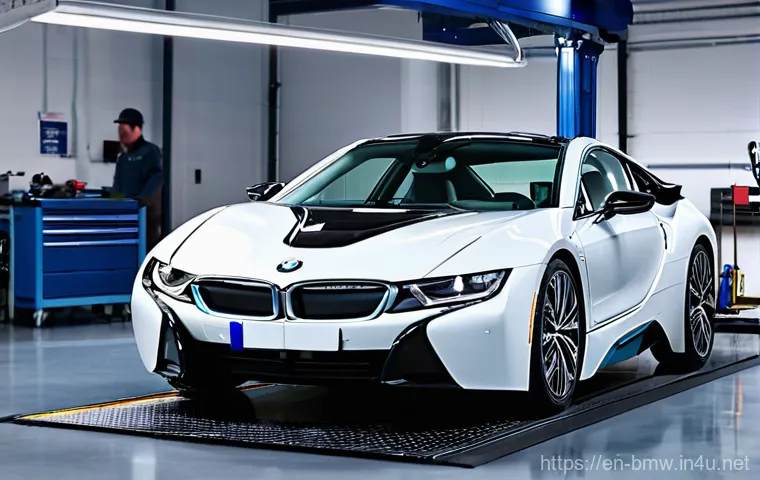
Eventually, the time comes for every car owner to consider their next move. For an i8, while it’s an iconic vehicle, its depreciation curve is another factor to weigh in the overall cost of ownership. Like many luxury and high-performance cars, the i8 experienced significant depreciation from its initial retail price. While it holds a certain allure as a collector’s item or a ‘future classic’ for some, for most owners, it’s still a car that sees its value drop over time. The groundbreaking technology that made it so desirable also means it’s prone to newer, more advanced hybrids and EVs surpassing its original performance metrics. This can impact its long-term market value. When I talk to fellow enthusiasts and owners, many acknowledge that buying an i8 was more about the experience and less about it being a sound financial investment that would hold its value perfectly. This isn’t to say it’s a bad car to own, far from it; it’s just a reality check for anyone expecting it to defy typical luxury car depreciation. Selling it can also take a bit more effort than a mass-market vehicle, as the buyer pool for such a specialized car is naturally smaller. So, when you factor in all the maintenance and running costs, understanding the resale value helps paint a complete picture of the total financial commitment from the moment you acquire it to the day you wave it goodbye. It’s part of the lifecycle cost of experiencing such an extraordinary piece of automotive engineering.
Living with the i8: Daily Drives and Long-Term Value
So, after dissecting all the numbers, what’s it actually like to live with a BMW i8 day-to-day? Honestly, it’s an absolute blast. Every drive feels special. The blend of instant electric torque and the punchy gasoline engine provides an exhilarating experience, whether you’re commuting in electric mode or carving up country roads. The interior is driver-focused, comfortable, and definitely feels premium. Despite its supercar looks, it’s surprisingly easy to drive and maneuver in urban environments, thanks to its relatively compact size and good visibility. Charging at home is convenient, and the small gas tank means you’re not spending a fortune at the pump on longer trips, especially if you maximize its electric range. However, it’s not without its quirks. The low-slung nature and butterfly doors, while cool, can be a bit of a theatrical entrance and exit, not always ideal in tight parking spots or for those with limited mobility. Storage space is minimal, so forget about grocery runs for a family. It’s a sports car, through and through, designed for driving pleasure first. But beyond the daily enjoyment, the long-term value of the i8 isn’t just financial. It’s the joy of owning a piece of automotive history, a car that truly pushed boundaries and captured the imagination. For many, including myself, the experience of driving and owning such an innovative and visually stunning vehicle outweighs the ongoing maintenance costs, especially if you go in with your eyes wide open about what those expenses might be. It’s about more than just the money; it’s about the unique thrill and the statement it makes every time you turn the key (or push the button!).
글을마치며
So, there you have it – the full picture of owning a BMW i8. It’s truly a magnificent machine, a blend of art and engineering that still turns heads and offers an unparalleled driving experience. But as we’ve explored, that unique status comes with its own set of financial considerations. It’s a car that demands respect not just on the road, but in your budget planning too. For me, the journey with such a vehicle is an adventure, one I wouldn’t trade, but it’s essential to embark on it with your eyes wide open to every facet of ownership, ensuring the dream doesn’t turn into a financial headache. It’s about finding that sweet spot where passion meets practicality.
알아두면 쓸모 있는 정보
1. Thoroughly research the specific model year and its known maintenance quirks before making a purchase. An informed decision is always the best decision.
2. Always factor in a significant budget for specialized maintenance and potential repairs that go beyond a standard vehicle. This car isn’t just an investment, it’s a commitment.
3. Seek out BMW-certified technicians or independent specialists with proven experience in hybrid and exotic vehicles. Your average corner garage won’t cut it for this masterpiece.
4. Be prepared for the recurring expense of high-performance tires, which wear faster and cost more than conventional options. They’re critical for the i8’s handling.
5. Get multiple insurance quotes before buying to understand the true cost of protecting such a valuable and complex asset. Don’t let premiums catch you off guard.
중요 사항 정리
The BMW i8 unequivocally stands as a groundbreaking and visually stunning hybrid sports car, delivering an unforgettable driving experience that, for many owners like myself, profoundly outweighs its operational costs. Its distinct blend of supercar aesthetics, innovative hybrid powertrain, and surprisingly nimble performance ensures it remains a head-turner and a joy to drive, whether navigating city streets or cruising open highways. However, prospective owners absolutely must fully understand and meticulously budget for its unique maintenance requirements. This includes specialized care for its intricate hybrid system, which can involve costly battery diagnostics or eventual replacement, the frequent need for high-performance tire replacements due to its specific setup and driving dynamics, and the often substantially higher insurance premiums reflective of its high value, advanced technology, and carbon fiber chassis construction. While the initial purchase price might seem like the largest hurdle, it truly represents just the beginning of the financial commitment. Owning an i8 is an investment in a truly unique automotive experience, a piece of engineering marvel that pushed boundaries, but one that undeniably demands an informed, realistic approach to its ongoing care to truly enjoy without the sting of unexpected financial surprises. It’s about embracing its extraordinary uniqueness while being fully prepared for the specialized attention and financial commitment it rightfully deserves.
Frequently Asked Questions (FAQ) 📖
Q: So, what’s the typical annual maintenance bill for a BMW i8 really look like?
A: From what I’ve seen and heard from other i8 owners, the annual maintenance can average around $3,200. Now, that’s a pretty encompassing number, but it helps to break it down.
About $2,000 of that typically goes towards routine maintenance – you know, oil changes, brake fluid flushes, checking all those intricate hybrid systems, and making sure everything is running smoothly.
The remaining $1,200 or so usually accounts for typical repairs that might pop up throughout the year. Remember, this isn’t your average sedan; it’s a high-performance, technologically advanced hybrid sports car, so specialized parts and expertise come with a slightly higher price tag than you might be used to with a more conventional vehicle.
It’s a bit like owning a beautiful piece of art; it requires careful, expert attention!
Q: That high-voltage battery sounds expensive to replace. How often does that usually happen, and what’s the real cost?
A: Ah, the heart of any hybrid, right? The high-voltage battery is definitely a significant component, and it’s a question I hear a lot. Based on what I’ve seen, replacing the high-voltage battery can indeed be a hefty expense, ranging anywhere from around $5,000 to over $8,000.
The exact cost really depends on a few factors, like the specific year of your i8 and whether you opt for a brand-new unit or a remanufactured one. Generally, these batteries are designed to last a good long while, often for the life of the car or a substantial portion of it, especially with proper care and charging habits.
However, it’s something to be aware of for long-term ownership. It’s not an everyday replacement, but when it’s time, it’s definitely a line item that catches your eye!
Q: Those unique i8 tires – how much do they cost, and how often will I need to replace them?
A: Let’s talk tires! For a performance car like the i8, the tires are crucial for both handling and safety. Here’s the kicker: because of their specialized design, often with unique sizes and compounds to match the i8’s performance characteristics, they aren’t your run-of-the-mill tires.
This means they tend to be pricier than what you’d put on a regular car. What’s more, given the i8’s sporty nature and the way it encourages a bit more enthusiastic driving, some owners report that these tires might only last about 10,000 miles before needing replacement.
It’s a common trait among performance vehicles; the grip and handling come at the cost of tread life. So, when you’re budgeting for an i8, definitely factor in that you’ll be replacing those distinctive wheels more frequently, and the cost will be a bit more substantial each time.