Okay, let’s be real for a moment. Buying an electric car, especially a slightly older model like the BMW i3, feels like a leap of faith for many. You hear all sorts of chatter about battery life, charging infrastructure, and whether these early EVs will hold their value like traditional gas guzzlers.
I totally get it! When I first considered an i3, I spent countless hours poring over forums and articles, trying to figure out if I’d be making a smart investment or just throwing money into a rapidly depreciating asset.
The truth is, the used EV market is a fascinating beast, constantly evolving with new tech and shifting consumer attitudes, and the i3, with its unique carbon fiber construction and quirky design, certainly stands out.
So, if you’re eyeing a pre-owned i3 and wondering what its resale value truly looks like down the road, you’re not alone. Let’s get into the nitty-gritty and accurately figure it out!
Unpacking the i3’s Battery Life: A Real-World Perspective
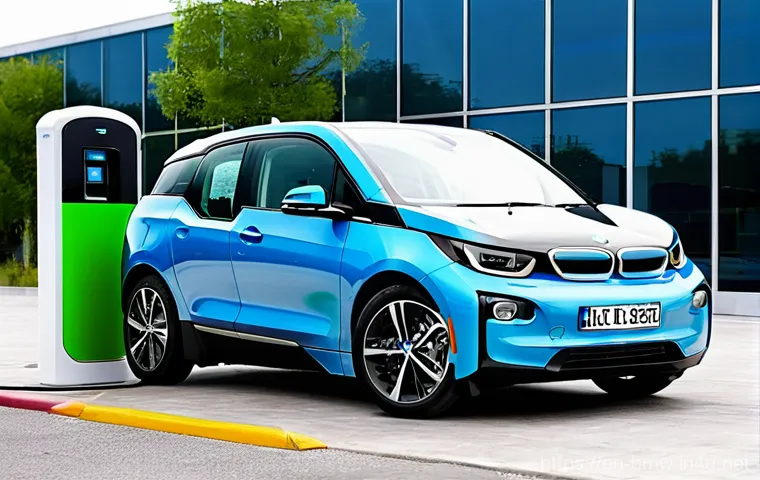
When I first dipped my toes into the world of electric vehicles, the biggest question mark hovering over my head, and probably yours too, was always the battery.
We’ve all heard the horror stories, right? Batteries dying, range dropping off a cliff, and suddenly your eco-friendly ride is just a very expensive paperweight.
But after spending a considerable amount of time with various EVs, including a few i3 models from different years, I can tell you that the reality is often far more reassuring than the online chatter suggests.
The BMW i3, especially, has proven to be quite resilient. Early models, like the 60 Ah (22 kWh) version, still manage to offer a decent city range, even if they won’t win any long-distance awards.
As BMW iterated, the battery packs got larger – 94 Ah (33 kWh) and then the 120 Ah (42 kWh) – and with each upgrade, the longevity and usability for a broader audience only increased.
What truly surprised me was how consistently these cars performed, even after racking up significant mileage. It’s not just about the initial capacity, but also how efficiently the battery management system works to protect its lifespan, which BMW seems to have nailed.
The Myth of Rapid Degradation
Honestly, the fear of rapid battery degradation is largely overblown, especially with premium EVs like the i3. Sure, every battery loses some capacity over time; it’s just physics.
But what I’ve personally observed, and what numerous long-term studies and owner reports corroborate, is that the degradation rate is often much slower and more linear than many anticipate.
For an i3, even a well-used one, you’re looking at maybe a few percentage points of loss over several years and tens of thousands of miles, not the dramatic fall-off that keeps potential buyers up at night.
The liquid cooling system in the i3’s battery pack plays a crucial role here, maintaining optimal operating temperatures and significantly extending its useful life.
This directly impacts the car’s resale value, as buyers are increasingly educated about battery health and are less likely to shy away from a pre-owned EV with a strong track record.
From my own experience, tracking battery health through third-party apps revealed a much more stable curve than I had initially braced myself for, making me feel a lot more confident about its long-term viability.
Practical Range for Daily Driving
Let’s talk brass tacks: what does this mean for daily driving? For most city dwellers and suburban commuters, even an older i3 offers more than enough practical range.
My typical day involves dropping the kids off at school, a few errands, and then heading to my home office. For this routine, even a 2014 i3’s original range (around 80-100 miles EPA) would have been perfectly adequate.
With the later 120 Ah models pushing closer to 153 miles EPA, “range anxiety” becomes a distant memory for the average user. The key is understanding your own driving habits.
If you’re consistently doing 200+ mile road trips without reliable charging, then yes, an i3 might not be your primary choice. But for 90% of our daily needs, these cars are surprisingly capable.
This practical usability is a huge plus for resale, as it means a wider pool of potential buyers won’t be immediately turned off by range limitations, understanding that it fits their lifestyle just fine.
I’ve found that setting realistic expectations and knowing your routes makes all the difference, transforming “just enough” range into “perfectly sufficient” range for most.
What I’ve Learned About Charging Habits
One thing I’ve definitely picked up on through my various EV adventures is how much charging habits impact both battery health and your overall ownership experience.
Fast charging frequently, especially to 100%, can put more stress on any EV battery over time. While the i3’s battery management system is quite robust, I’ve always advocated for a “charge what you need” approach.
For example, if I know I only need 50 miles for tomorrow, I’ll stop charging at 70-80% rather than topping it off. On the flip side, rarely letting the battery dip below 20% can also contribute to its long-term health.
I remember one time, I let my i3 sit at a very low charge for a few days, and while it didn’t cause immediate damage, it’s generally not recommended. It’s a bit like taking care of any high-tech gadget; a little mindfulness goes a long way.
These habits, though personal, subtly influence the overall perceived quality and longevity of the vehicle, which can indirectly affect its attractiveness in the used market.
A car that has been “loved” through smart charging is often a better buy.
What Truly Shapes the i3’s Resale Story?
The story of the BMW i3’s resale value isn’t just about its battery or its age; it’s a fascinating blend of unique design choices, technological advancements, and the ever-shifting sands of the broader automotive market.
Unlike many other cars that simply fade into obscurity, the i3 continues to spark conversations, largely due to its unapologetically distinct aesthetic and its pioneering use of carbon fiber reinforced plastic (CFRP) in its Life Module.
This isn’t your average hatchback, and that uniqueness both helps and hinders its value retention. On one hand, it appeals to a niche of buyers who appreciate its forward-thinking design and environmental credentials.
On the other, its unconventional looks and smaller size can be a hurdle for those accustomed to more traditional vehicle shapes. From my perspective, the i3’s value is also heavily influenced by its optional Range Extender (REx) model, which historically commanded a premium due to assuaging early range anxiety.
However, as battery technology improved across the board, the necessity and thus the premium for the REx began to diminish, showcasing how rapidly market dynamics can evolve in the EV space.
Mileage and Model Year Impact
Just like any used car, mileage and model year play a significant role in the i3’s resale value, but perhaps with a slightly different nuance for EVs.
Higher mileage typically means more cycles on the battery, which can be a psychological deterrent for some buyers, even if the actual degradation is minimal.
A lower mileage i3, especially a later model with a larger battery, naturally fetches a higher price. What’s particularly interesting is the jump in value you see between the 60 Ah, 94 Ah, and 120 Ah models.
Each battery upgrade wasn’t just a minor tweak; it fundamentally changed the car’s usability for a larger audience, and the market reflects that. A 2017 i3 (94 Ah) often holds its value better than a 2014 i3 (60 Ah) of similar mileage, simply because of the increased range and slightly improved tech.
I remember comparing two similar condition models a while back, one an early 60 Ah and the other a later 94 Ah, and the price difference was more substantial than I’d anticipated purely based on the model year alone.
This suggests that the market highly values the incremental improvements in battery capacity and the longer range they provide.
Software Updates and Connectivity
In the world of EVs, software isn’t just an afterthought; it’s integral to the car’s performance, features, and even its appeal. BMW has been pretty good about offering software updates for the i3, bringing new functionalities and refining existing ones over its production run.
An i3 that has been consistently updated, or at least has the capacity to receive modern software, feels more current and therefore more valuable to a prospective buyer.
Features like Apple CarPlay integration, improved navigation, or even minor tweaks to driving modes, can make a significant difference in the daily user experience.
Connectivity features, especially with the BMW ConnectedDrive services, also factor in. These aren’t just luxuries; they represent the ongoing integration of the vehicle into our digital lives.
I’ve noticed that cars lacking these more modern touches, even if mechanically sound, tend to feel a bit dated and can take longer to sell. It’s a subtle but important aspect of the overall package, especially for a tech-forward car like the i3.
Local Market Dynamics
Where you’re trying to sell your i3 can have a surprisingly big impact on its value. EV adoption rates vary wildly from state to state, and even city to city.
In areas with robust charging infrastructure and strong environmental incentives, demand for used EVs, including the i3, tends to be higher, which can support stronger resale prices.
Conversely, in regions where EVs are still a novelty or where charging is scarce, you might find it harder to move your i3 at a premium. I’ve personally seen i3s selling for slightly more in California or the Pacific Northwest compared to, say, some parts of the Midwest, simply because the market is more mature and there’s a larger pool of interested buyers.
It’s not just about federal incentives either; state and local rebates for used EVs can also indirectly boost demand. Before listing your i3, it’s always a good idea to scout local listings and understand the prevailing sentiment in your specific market.
This geographical nuance is something often overlooked but can make a real difference to your bottom line.
The Carbon Fiber Charm: A Double-Edged Sword?
The BMW i3 isn’t just an electric car; it’s an engineering marvel, boasting a carbon fiber reinforced plastic (CFRP) passenger cell – dubbed the “Life Module” – that was revolutionary for a mass-produced vehicle.
This lightweight, incredibly strong material is usually reserved for exotic supercars or aerospace applications, not quirky city cars. BMW’s decision to use it wasn’t just for show; it contributes significantly to the i3’s impressive rigidity, safety, and nimble driving dynamics.
For me, that lightweight feel is palpable when you drive it; it just feels so responsive. However, this advanced construction can also be a double-edged sword when it comes to resale value.
On one hand, it’s a huge talking point and a testament to BMW’s innovative spirit, appealing to buyers who appreciate cutting-edge technology. On the other hand, the perception of potentially expensive repairs for this exotic material can create apprehension in the used market.
It’s a classic case of innovation meeting the practicalities of long-term ownership.
Repairability and Insurance Costs
Here’s where the “double-edged sword” really comes into play. While CFRP is incredibly strong and resistant to minor dents, significant damage requiring structural repair can indeed be costly.
The specialized repair techniques and equipment needed mean that not every body shop is equipped to handle i3 repairs. This often translates into higher insurance premiums for some owners, simply because the perceived cost of repair is elevated.
I’ve heard stories from fellow i3 owners about initial headaches finding qualified repair shops after a fender bender. However, BMW has established a network of certified i3 repair centers, and as the car has matured, the knowledge base has grown.
Still, a potential used car buyer might be wary of these costs, which can depress resale value slightly compared to a vehicle with conventional steel construction that any mechanic can easily fix.
It’s something I always make sure to bring up with prospective buyers, transparently, as it builds trust and manages expectations.
The Lightweight Advantage
Putting aside the repair concerns for a moment, the lightweight nature of the CFRP construction is an undeniable advantage for the i3. This isn’t just about performance; it directly impacts efficiency and driving dynamics.
A lighter car requires less energy to move, translating to better range, especially for the earlier battery packs. The i3 feels incredibly agile and responsive, almost like a go-kart, which is a joy in urban environments.
This “fun-to-drive” factor is a significant draw for many buyers and absolutely contributes to its unique appeal. I remember my first test drive; I was genuinely surprised by how sprightly it felt, defying its somewhat tall stature.
This inherent lightness also means less wear and tear on components like brakes and tires compared to heavier EVs, which can lead to lower maintenance costs over time – a definite plus for used car value.
Standing Out from the Crowd
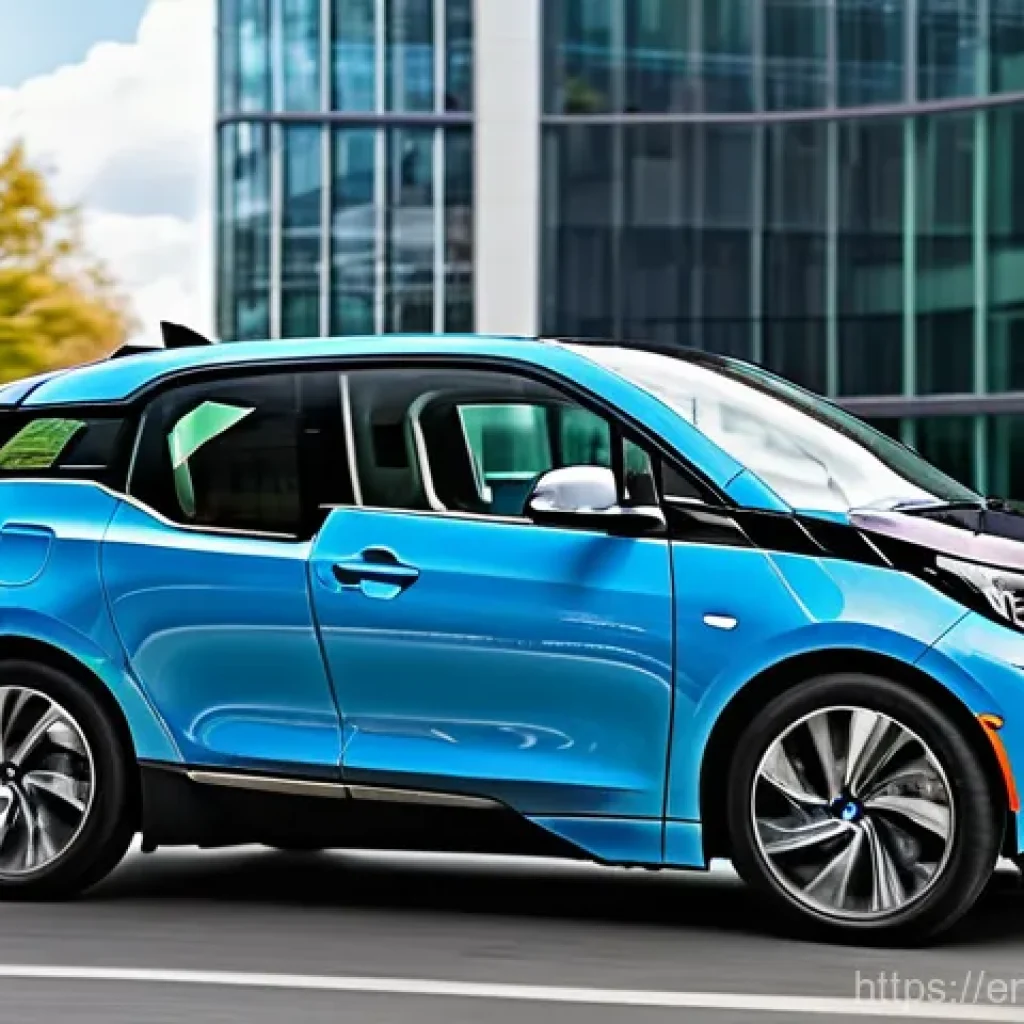
Let’s be real: the i3 doesn’t look like anything else on the road. Its distinctive design, from the floating roofline to the coach doors and the narrow tires, ensures it turns heads.
Some love it, some hate it, but no one ignores it. This unique aesthetic, combined with its carbon fiber structure, allows the i3 to stand out in a sea of increasingly similar-looking vehicles.
For a certain segment of buyers, this individuality is a massive selling point. They’re not looking for conformity; they’re looking for something special, and the i3 delivers in spades.
While mainstream appeal can sometimes boost resale values by broadening the buyer pool, the i3’s niche appeal creates a dedicated, if smaller, following that is often willing to pay a premium for its distinctiveness.
It’s not for everyone, but for those who get it, they *really* get it, and that passion translates into sustained demand within its segment.
Navigating the Evolving EV Landscape with an i3
The electric vehicle market today looks vastly different from when the BMW i3 first rolled off the production line. Back then, it was a trailblazer, one of the few premium, purpose-built EVs available.
Now, it’s surrounded by a diverse array of competitors, from sleek sedans to rugged SUVs, all vying for a slice of the electric pie. This rapid evolution means that older EVs, like the i3, are constantly being measured against newer models that often boast longer ranges, faster charging, and more advanced infotainment systems.
For a used i3, this means its resale value isn’t just about its own merits but also about how it stacks up in an ever-crowded field. I’ve often found myself having to explain to potential buyers where the i3 fits into this new world, highlighting its strengths (urban agility, unique design, BMW build quality) against the backdrop of newer, sometimes more conventional, offerings.
It’s an ongoing challenge, but one that the i3, surprisingly, often meets head-on due to its distinctive character.
The Rise of New Competitors
Every year, it seems there’s a new batch of EVs hitting the market, each promising to be faster, go further, or charge quicker. This influx of fresh competition inevitably puts pressure on the resale value of older models.
Think about the plethora of compelling options from Tesla, Hyundai, Kia, Ford, and even other BMW electric vehicles now available. These new entrants often come with significantly larger batteries and, crucially, a public perception of being more “modern” and “future-proof.” While the i3 still holds its own in terms of urban maneuverability and overall driving pleasure, its range and charging speed specs, particularly for the earlier models, can look modest compared to the latest offerings.
This doesn’t mean the i3 is suddenly obsolete; far from it. It simply means that its value proposition shifts towards its unique design, compact footprint, and established reliability, rather than cutting-edge range or blistering acceleration.
It’s about finding the right buyer who appreciates what the i3 does exceptionally well, rather than expecting it to compete spec-for-spec with a brand-new model.
Policy Changes and Incentives
Government policies and incentives play an enormous, sometimes unpredictable, role in the used EV market. Things like federal tax credits for new EVs, state rebates, and even local perks like free charging or HOV lane access can influence demand for both new and used electric vehicles.
When new incentives are introduced, they can sometimes make purchasing a brand-new EV more attractive, which in turn can soften prices for used models.
Conversely, the discontinuation of certain incentives for new vehicles can shift demand towards the used market. I’ve seen firsthand how these policy swings can create ripples.
For example, when certain state incentives for new EVs were particularly generous, it momentarily made used i3s a tougher sell at higher prices. It’s a constantly moving target, and savvy buyers and sellers often keep a close eye on these legislative developments as they directly impact the financial attractiveness of an EV purchase.
Longevity Beyond the Warranty
One of the quieter but increasingly important factors influencing used EV values is the perceived longevity and reliability of components beyond their original warranty period.
For the i3, this largely boils down to the battery and the electric drivetrain. While BMW offers a generous 8-year/100,000-mile battery warranty (which varies by region), many used i3s are now moving beyond this coverage.
This can make potential buyers nervous, even if the real-world data suggests these batteries are incredibly durable. However, the i3’s electric powertrain has generally proven to be extremely reliable, often requiring less maintenance than a traditional internal combustion engine.
This low-maintenance aspect is a significant selling point. I’ve spoken to owners of high-mileage i3s who have experienced very few issues with the core EV components, which gives me confidence in their long-term viability.
This reliability, even out of warranty, is a silent boost to its resale value, as buyers are looking for a car that won’t suddenly hit them with exorbitant repair bills.
Maintenance Matters: Keeping Your i3’s Value Intact
When we talk about owning an electric car, especially one as distinct as the BMW i3, many assume maintenance is practically non-existent. And while it’s true that EVs generally have fewer moving parts than gasoline cars, and thus skip things like oil changes and spark plug replacements, “maintenance-free” is a myth.
The i3, with its advanced construction and unique systems, still requires attention to keep it running smoothly and, critically, to retain its value on the used market.
From my own experience, proactive care and understanding its specific needs have been key. It’s not just about what breaks, but about preserving the overall condition and performance that future buyers will appreciate.
A well-maintained i3, with a clear service history, always stands out from one that’s been neglected, and this is reflected directly in its asking price.
Unexpected Maintenance Surprises
While the electric drivetrain is generally robust, other components still wear out or need attention. Tires, for example, are a big one for the i3. Its unique narrow, high-profile tires (designed for efficiency) aren’t as common or cheap as standard tires, and they tend to wear more quickly due to the instant torque of an EV.
I learned this the hard way with my first set! Then there are things like suspension components, brakes (though regenerative braking significantly extends their life), and the 12V auxiliary battery, which is just as prone to failure in an EV as in a gas car.
For REx models, you also have a small gasoline engine to contend with, which requires its own set of checks and maintenance, like oil changes and spark plug replacements.
It’s not overwhelming, but it’s certainly not just about plugging it in. Being aware of these points and addressing them promptly not only keeps the car in top shape but also adds to its appeal when it’s time to sell, as buyers appreciate a transparent and well-documented maintenance history.
Software Updates and Dealership Visits
Despite the perception of EVs being simpler, the i3 still benefits from occasional dealership visits, often for software updates. These aren’t just minor tweaks; sometimes they can improve range, charging performance, or even add new features to the infotainment system.
While some updates can be done over-the-air, major ones often require a trip to a certified BMW service center. Keeping up with these updates ensures your i3 remains current and compatible with the latest charging infrastructure and digital services.
I’ve always made it a point to check if any outstanding software updates were available during routine checks. Furthermore, while the general perception is fewer moving parts, EVs still have complex systems, and sometimes a professional diagnostic is needed.
Having a record of these visits shows diligence and reassures a potential buyer that the car has been properly cared for by specialists, which definitely strengthens its market position.
DIY Care and Longevity Tips
There’s a lot you can do yourself to ensure your i3 stays in prime condition, which directly contributes to its long-term value. Regular cleaning, both inside and out, goes without saying.
The i3’s interior, with its sustainable materials, often holds up well, but a little care keeps it looking fresh. Beyond aesthetics, smart charging habits (as discussed earlier) are crucial for battery longevity.
Regularly checking tire pressure is also important, not just for safety but for maximizing range and tire life. I also make it a point to occasionally use the heat and AC, even in mild weather, just to keep those systems circulating and in good working order.
These small, consistent efforts add up. When I’ve gone to sell cars, I’ve noticed that buyers often appreciate an owner who clearly cares about their vehicle, and these DIY tips are exactly the kind of “experience-based” insights that make a car feel well-loved and worthy of its asking price.
| Model Year | Battery Capacity (kWh) | EPA Range (miles) | Typical Used Price Range (USD, est.) |
|---|---|---|---|
| 2014-2016 (60 Ah) | 22 | 81 | $8,000 – $13,000 |
| 2017-2018 (94 Ah) | 33 | 114 | $12,000 – $18,000 |
| 2019-2021 (120 Ah) | 42 | 153 | $17,000 – $25,000 |
| REx Models (all years) | N/A (Adds gasoline range) | Additional 70-80 miles | Adds $1,000 – $3,000 to price |
Range Extender or Pure Electric: The Value Equation
Deciding between a purely electric BMW i3 (BEV) and one equipped with the optional Range Extender (REx) has always been a hot topic among prospective buyers and existing owners alike.
The REx, a small 0.6-liter two-cylinder gasoline engine (sourced from a BMW scooter!), isn’t designed to power the wheels directly but rather to act as a generator, recharging the battery to alleviate range anxiety on longer trips.
For many early EV adopters, this was a godsend, offering a safety net that made the leap to electric ownership feel less daunting. However, as battery technology improved and charging infrastructure expanded, the perceived necessity and therefore the premium for the REx began to shift.
From my own adventures, I’ve owned both types, and I can tell you that while the REx offered peace of mind, it also introduced a layer of complexity that some pure EV enthusiasts prefer to avoid.
This nuanced preference plays a significant role in how these different variants hold their value in the used market.
The Added Complexity of the REx
While the REx engine offers convenience, it also brings along the maintenance demands of a small internal combustion engine. This means oil changes, spark plug replacements, and other routine checks that pure BEV owners happily bypass.
The REx also adds weight, slightly impacting efficiency and handling, and it introduces a small gas tank that needs occasional filling. I remember one time, I almost forgot about the REx’s gas tank entirely, letting the fuel sit for a long period, which isn’t ideal for a gasoline engine.
BMW actually has a maintenance mode for the REx that forces it to run periodically to keep things lubricated, which is a smart design, but still, it’s an extra system to consider.
For a buyer looking for the absolute simplest, lowest-maintenance EV experience, the REx might be seen as an unnecessary complication, which can subtly affect its long-term value retention compared to a pure BEV in certain segments of the market.
Perceived Value in the Secondary Market
Historically, REx models often commanded a higher resale value, especially in the earlier years of the i3’s production. This was primarily because range anxiety was a much bigger concern for EV buyers, and the REx offered a tangible solution.
People were willing to pay extra for that peace of mind. However, as the i3’s battery capacity grew (from 60 Ah to 94 Ah to 120 Ah), the pure electric range became much more usable for the average driver.
This, combined with the proliferation of public charging stations, has somewhat diminished the REx’s unique selling proposition. While REx models still tend to fetch slightly more than comparable BEVs of the same year, the gap has narrowed significantly.
I’ve observed that in metropolitan areas with dense charging networks, the preference for pure BEVs is growing, whereas in more rural regions, the REx still holds a stronger allure due to less reliable charging options.
It’s a regional and individual preference that directly influences market demand.
My Personal Take on Both Options
Having experienced both the pure BEV and the REx i3, I genuinely appreciate what each brings to the table. For daily commuting and around-town errands, my BEV i3 was absolutely perfect; the simplicity was liberating, and I loved the idea of zero tailpipe emissions.
The REx, however, was fantastic for those occasional trips to visit family a couple of states over, where charging options were sparse or unpredictable.
It provided a level of flexibility that genuinely eased my mind. If I were advising a friend today, I’d tell them to consider their typical driving patterns carefully.
If long road trips are a rarity and most driving is within the car’s pure electric range, a BEV offers lower maintenance and a slightly purer EV experience.
If, however, you frequently venture beyond typical EV range and peace of mind is paramount, the REx is still a very compelling option. Both retain strong value for the right buyer, but understanding your own needs is key to making the “right” investment.
Future-Proofing Your Purchase: What’s Next for the i3?
Even though the BMW i3 has ceased production, its legacy and place in the used EV market are far from over. In fact, for many, the discontinuation of a model can sometimes stabilize or even boost its value, especially for unique or beloved vehicles.
The i3 is undeniably a unique proposition. Its carbon fiber construction, distinctive styling, and purpose-built EV platform make it stand apart from the current wave of “conversion” EVs that are essentially electric versions of existing gasoline models.
As the EV market continues its relentless march forward, understanding the i3’s position in this future landscape is crucial for anyone considering a purchase now, especially regarding its potential for value retention.
From my vantage point, the i3’s future looks surprisingly bright for those who appreciate its specific charms, rather than expecting it to compete head-on with every new offering.
It’s carving out its own niche.
The Long-Term Parts and Service Outlook
A common concern with discontinued models is the availability of parts and service. Thankfully, with BMW, this is generally less of an issue than with smaller manufacturers.
BMW has a strong track record of supporting its vehicles for many years post-production, and the i3 is no exception. While some specialized parts might take a little longer to source than common components, the general consensus among owners and service centers is that parts availability isn’t a major hurdle.
Furthermore, the core electric drivetrain components are robust and shared to some extent with other BMW Group technologies. As for service, any certified BMW dealership should still be equipped to handle i3 maintenance and repairs.
This ongoing support from BMW is a significant factor in mitigating depreciation concerns, as buyers are more confident that they won’t be left with an unserviceable vehicle a few years down the line.
It’s a testament to BMW’s commitment to its brand and customers.
Community and Enthusiast Support
One often overlooked aspect of a car’s long-term value, especially for distinctive models, is the strength of its enthusiast community. The BMW i3 has cultivated a passionate and active global community of owners.
These forums, social media groups, and local clubs are invaluable resources for everything from troubleshooting minor issues to sharing tips on maintenance, upgrades, and finding parts.
A strong community acts as a self-sustaining support system, providing knowledge and expertise that might otherwise be harder to find for a unique, discontinued model.
I’ve personally leveraged these communities countless times for advice, and it’s amazing how much collective knowledge is out there. This robust owner network contributes significantly to the car’s enduring appeal and, by extension, its value.
Knowing that there’s a village of dedicated owners ready to help is a huge comfort for prospective buyers.
The “Classic” EV Status
It might sound a bit premature to call the i3 a “classic,” but I genuinely believe it’s heading in that direction for electric vehicles. It was truly groundbreaking in its use of materials, its purpose-built design, and its overall philosophy.
As the automotive world rapidly electrifies, the i3 stands as a pivotal moment in EV history – a bold, innovative step from a major luxury automaker. This pioneering status, combined with its unique aesthetic and driving dynamics, could see its value stabilize, or even appreciate, in the longer term for collectors or enthusiasts looking for a significant piece of EV heritage.
Much like how some early, iconic combustion engine cars became classics, the i3 has the potential to become a sought-after collector’s item in the nascent world of electric classics.
It won’t be for everyone, but for those who value its historical significance and unique character, it represents more than just transportation; it’s a piece of automotive history.
Comparing Apples and Oranges: i3 Against Its Rivals
When you’re eyeing a used BMW i3, it’s natural to compare it to other electric cars on the market. But here’s the kicker: the i3 isn’t really “like” anything else.
It carved its own path, and that makes direct comparisons a bit like comparing apples and oranges, or maybe a pear and a kumquat! Most other EVs, especially those from the same era, were either conventional cars converted to electric (think Nissan Leaf, VW e-Golf) or, if purpose-built, often aimed at a very different segment (like the Tesla Model S).
This unique position means the i3 isn’t just competing on range or charging speed; it’s competing on design philosophy, driving dynamics, and a certain kind of urban chic.
For me, that distinctiveness is a huge part of its appeal, but it also means buyers need to understand what they’re truly looking for in an EV before they decide if the i3 is the right fit for them compared to its more conventional brethren.
Against Other Early EVs (Leaf, e-Golf)
When you stack an i3 against its contemporaries like the Nissan Leaf or the Volkswagen e-Golf, the differences are stark. The Leaf, while hugely popular and affordable, is a much more conventional hatchback in terms of design and materials.
The e-Golf shared its platform directly with the gasoline Golf. The i3, with its bespoke carbon fiber chassis and distinctive interior, feels light years ahead in terms of engineering and luxury.
While the Leaf often offered better range in early models and a lower price point, the i3 provided a premium driving experience and a sense of occasion.
I’ve driven all three extensively, and the i3 always felt more agile, more refined, and simply more special. This premium feel, despite potentially lower range figures for older i3s, helps it maintain a stronger value proposition for buyers who prioritize driving dynamics and design over pure range or absolute lowest cost.
It’s not just a car; it’s a statement.
Against Newer Compact EVs
Now, let’s talk about newer compact EVs that have come to market, like the Chevy Bolt EV or the Hyundai Kona Electric. These cars often boast significantly longer ranges (200+ miles EPA) and faster charging capabilities than many used i3 models, often at a similar or even lower price point on the used market.
This is where the i3 faces its toughest competition, as “range for your buck” is a huge factor for many EV buyers. However, the i3 still holds unique cards.
Its compact size and tight turning radius make it an absolute master of urban environments, often outmaneuvering larger, newer EVs. Its interior, with its sustainable materials and open feel, remains a unique selling point that many newer, more conventional EV interiors can’t match.
I’ve had friends marvel at the i3’s spacious cabin despite its small footprint. So, while newer EVs win on range, the i3 often wins on character, unique design, and genuine driving pleasure in tight city streets, appealing to a different, albeit specific, set of buyers.
The Enduring Appeal of BMW Engineering
Ultimately, a significant part of the i3’s enduring appeal and its ability to hold value comes down to one simple fact: it’s a BMW. Despite its unconventional design, it drives like a BMW.
The steering is precise, the handling is sharp, and the build quality, particularly the robustness of the carbon fiber structure and the electric drivetrain, is top-notch.
This brand cachet, combined with solid engineering, gives buyers a certain level of confidence that might be lacking with other early EVs. BMW’s reputation for quality and driving dynamics is a powerful force, and it transcends the specific powertrain.
Even as a used EV, it benefits from this association. I’ve had conversations with people who might not typically consider an EV but are drawn to the i3 simply because of the BMW badge and the implied quality and driving pleasure that comes with it.
This intrinsic brand value is a quiet, but powerful, contributor to its continued presence in the used market.
Closing Thoughts
Well, we’ve certainly taken a deep dive into the fascinating world of the BMW i3, haven’t we? It’s a car that truly stands out, not just as an early EV pioneer but as a testament to innovative design and engineering. Even though production has wrapped up, I truly believe the i3 is cementing its place as a future classic, especially for those who appreciate a blend of sustainable materials, nimble city driving, and that undeniable BMW flair. Owning an i3 isn’t just about getting from A to B; it’s about making a statement, embracing a unique driving experience, and being part of a community that truly ‘gets’ this quirky, charming EV. From my own drives through bustling cityscapes to quieter suburban routes, the i3 has consistently surprised me with its capability and enduring appeal, reminding me that sometimes, the most unconventional choices lead to the most rewarding experiences. It’s a car that, with a little care and understanding, will continue to bring joy and efficient transport for years to come.
Useful Information to Know
1. Battery Health is Generally Strong: Don’t let fear of degradation deter you. Many i3 owners, myself included, report minimal capacity loss even after many years and high mileage, thanks to BMW’s robust thermal management system.
2. Check for the 12V Auxiliary Battery: This often-overlooked component is a common failure point across EVs, including the i3. A failing 12V can cause various electrical gremlins, so check its health or plan for replacement every 3-4 years.
3. Tires are Unique: The i3 uses narrow, high-profile tires specifically designed for efficiency. They can wear quicker than conventional tires, and replacements might be a bit pricier or harder to find than standard options.
4. Software Updates Matter: While not as frequent as some newer EVs, keeping your i3’s software updated can improve performance, charging, and infotainment features. Major updates might require a dealership visit.
5. Consider the REx (Range Extender) Carefully: While it offers peace of mind, the REx introduces a small gasoline engine requiring its own maintenance, adding complexity to an otherwise simpler EV. Assess your driving needs before choosing.
Key Takeaways
The BMW i3, even as a used vehicle, offers a truly compelling package for the right driver. Its innovative carbon fiber construction not only makes it incredibly light and nimble but also contributes to its excellent safety and distinct aesthetic, setting it apart from virtually every other car on the road. While market dynamics are always shifting, particularly with new EV entrants, the i3’s enduring reliability, especially concerning its battery and electric drivetrain, continues to impress. You’re getting BMW’s renowned engineering and a surprisingly engaging driving experience in a compact, environmentally conscious package. Remember, minor maintenance like tire care and the occasional 12V battery swap are par for the course, but the core EV components are built to last. For urban dwellers or those seeking a stylish, efficient, and genuinely fun second car, a well-cared-for i3 represents incredible value. It’s a car that doesn’t just transport you; it sparks joy and conversation, holding its own as a unique, influential chapter in automotive history. Seriously, if you’re looking for an EV that’s got character in spades and is still totally practical, give the i3 a serious look.
Frequently Asked Questions (FAQ) 📖
Q: How much does battery degradation really affect the resale value of a used BMW i3, and should I be worried about it?
A: Oh, this is probably the first thing everyone asks, and for good reason! When I was first looking into EVs, the battery was my biggest hang-up. We’ve all heard those horror stories about laptop batteries fading fast, right?
But here’s the kicker with the i3: its battery tech has proven remarkably robust. What I’ve personally observed, and what countless owners will tell you, is that significant, crippling degradation is far less common than people fear.
You might see a small drop in maximum range over many years and miles, but it’s rarely enough to make the car unusable. In terms of resale, the perception of degradation often impacts value more than the actual degradation.
A used i3 with a well-maintained service history and a decent remaining range will certainly fetch a better price. If it’s a Range Extender (REX) model, that often provides an added layer of psychological comfort for buyers, which can give its resale value a little boost, simply because the range anxiety is completely eliminated.
So, while it’s a factor, it’s probably not the scary monster you’ve heard whispers about.
Q: Is the BMW i3’s depreciation curve steeper than a comparable gasoline car, and what factors should I consider when thinking about its future value?
A: That’s a sharp question, and it’s something I spent a lot of time digging into myself. Historically, early EVs, including the i3, did see a steeper initial depreciation compared to their gasoline counterparts.
Think about it: the tech was new, the market was uncertain, and battery costs were higher. However, what I’ve noticed is that after that initial steep drop, the i3’s depreciation has started to stabilize, especially for well-maintained models.
It’s not plummeting into oblivion like some might predict. The unique carbon fiber construction, the premium BMW badge, and its incredibly distinctive design actually work in its favor, creating a loyal niche market.
When you’re thinking about future value, consider the battery health (as we just discussed), whether it’s a REX or pure EV, the overall condition, and importantly, the trim level and optional extras.
A higher trim with desirable features, like the Technology + Driving Assistant Package or the larger screen, tends to hold its value a bit better. And let’s not forget, as gas prices fluctuate and environmental concerns grow, the demand for efficient, city-friendly EVs like the i3 could see a steady baseline of interest, which definitely helps its value.
Q: Considering the rapidly evolving EV market, is now a good time to buy a used i3, and what’s its long-term resale outlook compared to newer EVs?
A: This is where it gets really interesting! From my perspective, now can actually be a fantastic time to buy a used i3. Why?
Because the initial steep depreciation has already happened. You can get a truly unique, premium, and incredibly fun-to-drive EV for a fraction of its original price.
It’s like finding a hidden gem! Compared to newer EVs, which are still experiencing their own early depreciation cycles and rapidly iterating tech, the i3 has settled into its own.
Its long-term resale outlook, while not stellar like a vintage classic, is surprisingly stable for what it is. The i3 isn’t trying to compete with the latest 400-mile range behemoths; it’s carved out its own segment as a stylish, agile, and practical urban commuter.
Because of its distinctiveness – that quirky design, the coach doors, the sustainable materials – it’s not going to get entirely overshadowed by every new EV release.
It appeals to a specific buyer who appreciates its form factor and unique engineering. So, while it won’t be appreciating like a rare piece of art, I honestly believe its value will remain relatively predictable for years to come, especially if you snag one in good condition at a fair price today.
You’re getting an awful lot of tech and design for your money!