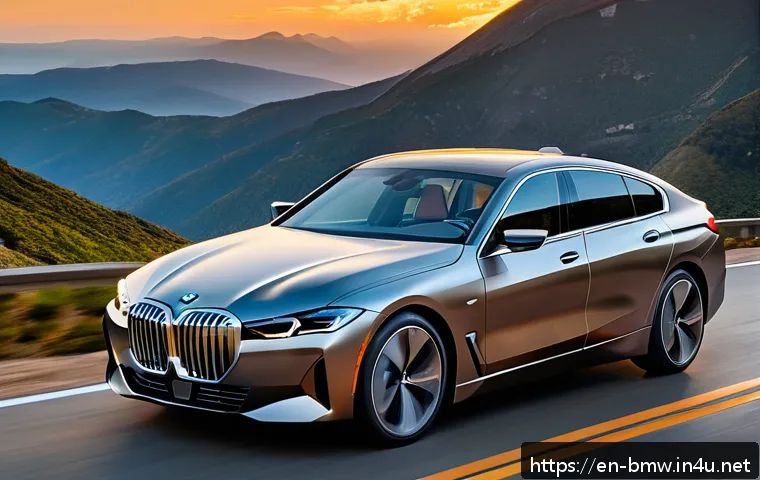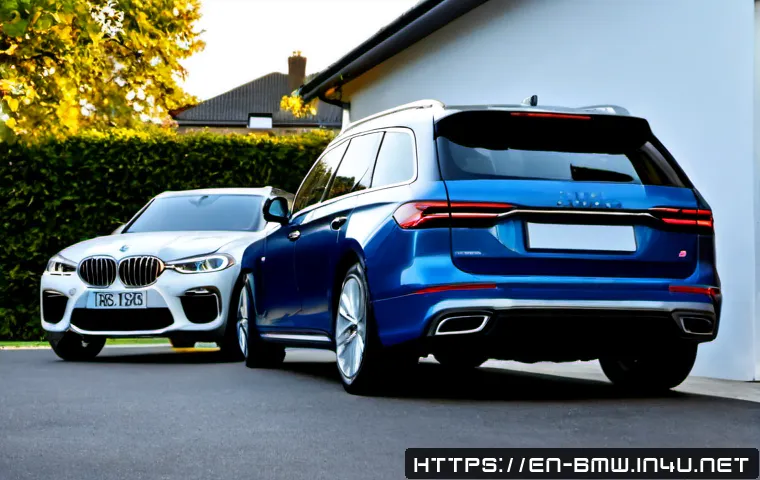
Choose the BMW 3 Series Touring if you need estate-car versatility and want a more driver-focused premium daily car. Choose the Mercedes-Benz C-Class if cabin ambience, comfort, and a relaxed commuting experience matter more than maximum luggage flexibility.
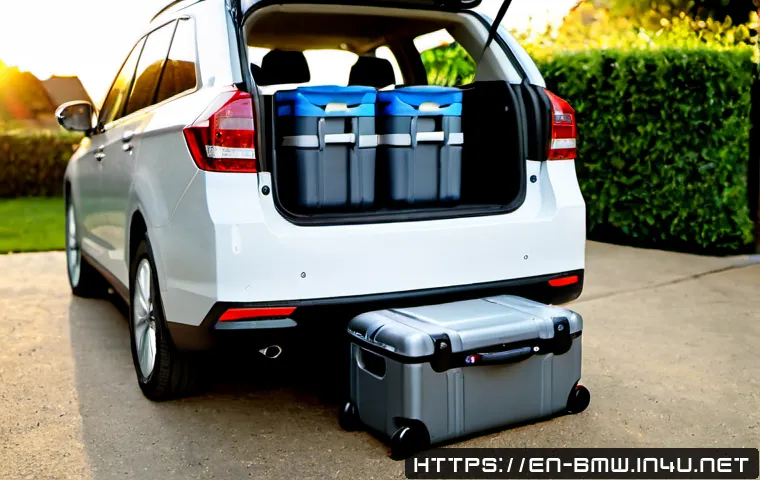
The key is to compare like for like: a 3 Series Touring versus a C-Class Saloon is not the same decision as a Touring-versus-C-Class Estate comparison.
Before discussing a car lease, finance agreement, or approved-used purchase, confirm the exact body style, engine, trim, and equipment included. Local offers can make either model the better value, especially when servicing plans, insurance, warranty coverage, and monthly payments are included.
A short test drive and a full written quotation are more useful than relying on list price alone.
At a Glance
- BMW 3 Series Touring: the stronger choice for buyers who need estate-car cargo access without moving to an SUV.
- Mercedes-Benz C-Class: often suits drivers who place greater weight on cabin comfort, premium ambience, and relaxed daily commuting.
- Compare exact versions first: body style, engine, trim, optional equipment, finance terms, and local availability can change the result.
| Decision Area | BMW 3 Series Touring | Mercedes-Benz C-Class |
|---|---|---|
| Best starting point | Drivers needing flexible cargo space and an engaging driving character. | Drivers prioritising cabin ambience and everyday comfort. |
| Body-style focus | An estate/wagon designed to add practicality to the 3 Series format. | Available in different body styles by market, including Saloon and, in some regions, Estate versions. |
| Driving preference | A sensible shortlist choice for buyers who value steering feel and driver involvement. | A sensible shortlist choice for buyers seeking a refined premium commuter. |
| Technology check | Confirm which driver-assistance and parking features are included in the selected trim. | Check whether preferred comfort and assistance features are standard, optional, or part of a package. |
| Cost comparison | Compare finance rate, servicing plan, tyre costs, insurance quote, and expected resale value. | Compare monthly lease payment, mileage terms, maintenance cover, insurance, and return conditions. |
Quick Verdict: Choose Practicality or Cabin Comfort First
The simplest answer is to decide whether cargo-focused practicality or premium cabin comfort is your main priority. The BMW 3 Series Touring makes a clear case for drivers who regularly carry luggage, family equipment, work items, or bulky shopping. The Mercedes-Benz C-Class makes a strong case for buyers who spend much of their time commuting, carrying passengers, or enjoying the interior environment.
When the 3 Series Touring Is the Stronger Everyday Choice
The 3 Series Touring is built around the idea that an executive car can remain practical without becoming an SUV. Its estate layout is the key advantage: it gives buyers a more useful cargo area and easier access for everyday loading. That matters more than a specification sheet when a car is used for weekend trips, airport runs, family routines, or equipment-heavy hobbies.
It is also likely to appeal to drivers who want a premium car with a more involved driving feel. However, do not assume that every Touring has the same powertrain, suspension setup, or equipment level. Petrol, diesel, plug-in hybrid, mild-hybrid, and performance versions can vary by country and model year.
When the C-Class Is the Better Premium Commuter
The C-Class is a natural option for buyers who place comfort, cabin presentation, and refinement at the top of their list. If your normal use is commuting, motorway travel, client visits, or carrying one or two passengers rather than large loads, a saloon may be all the car you need.
A C-Class can also be the more appealing choice when its local trim structure includes the comfort, infotainment, or driver-assistance features you want at a reasonable monthly cost. The important point is to inspect the actual car or written specification. Advanced driver-assistance systems are commonly offered across both model lines, but they may be optional or bundled differently by trim.
Why Body-Style Availability Should Be Checked Before Comparing Specifications
This comparison can become misleading if one buyer is looking at a BMW 3 Series Touring while another is pricing a Mercedes-Benz C-Class Saloon. A saloon and an estate answer different practical needs. In some markets, the C-Class is also available as an Estate, but availability depends on the country and model year.
Before comparing lease quotes or finance offers, write down the body style, engine, trim, wheel size, and included options. Otherwise, a cheaper monthly payment may simply reflect a different car with a different level of equipment or practicality.
Space, Comfort, Technology, and Driving Character Compared
Both models can work as premium daily drivers, but the ownership experience depends on how you use the car most often. Think about loading, passengers, road types, parking, and the features you use every day rather than focusing only on exterior styling.
Luggage Access, Rear-Seat Use, and Family Practicality
The BMW 3 Series Touring has the clearest practical advantage when luggage access is a frequent requirement. An estate shape is especially useful when the cargo area needs to handle awkward, tall, or regularly changing loads. For families, the question is not simply “How much space is there?” but “Can the car handle our normal week without compromise?”
A C-Class Saloon may still suit a smaller household, a couple, or a driver whose luggage needs are occasional. If you are considering a C-Class Estate where available, compare it directly with the 3 Series Touring rather than assuming the badge alone determines practicality.
Ride Quality, Steering Feel, and Long-Distance Refinement
Drivers often approach these cars with different expectations. The 3 Series Touring is likely to be shortlisted by those who care about driving involvement and steering feel, while the C-Class is likely to attract buyers who want a comfortable and premium-feeling commute.
Still, wheel choice, tyre specification, optional suspension equipment, powertrain, and trim can affect the result. A brief drive around a dealership is not enough. If possible, test the car on the roads you use most: city streets, motorway sections, uneven surfaces, and parking areas. Bring the items that matter, such as a child seat, mobility equipment, or typical luggage, if the dealer permits it.
Infotainment, Driver Assistance, and Optional Equipment Traps
Technology should be compared feature by feature, not badge by badge. Confirm whether the selected vehicle includes the parking support, camera system, navigation, smartphone connection, heated features, comfort functions, or driver-assistance tools you expect.
The common trap is seeing a well-equipped demonstration car and then receiving a quotation for a lower-spec stock vehicle. Ask for the full equipment list in writing. Optional equipment can improve daily usability and may support future resale confidence, but it can also raise the purchase price, finance amount, insurance cost, or lease payment without improving your own priorities.
Price, Leasing, and Ownership Costs: How to Compare Real Value
Real value is not the advertised list price and not the monthly payment alone. It is the combined cost of getting into the car, using it, maintaining it, and eventually selling it or returning it. A lower headline payment may come with a larger initial rental, restrictive mileage allowance, limited maintenance cover, or a specification that does not meet your needs.
List Price Versus Monthly Payment Versus Total Cost of Ownership
New-car transaction prices can differ from advertised list prices because of dealer stock, finance promotions, regional incentives, and specification. Request a written quotation that separates the vehicle price, finance rate, deposit or initial payment, term, mileage terms where relevant, and any included servicing or warranty cover.
For a purchase or car finance agreement, compare the total commitment rather than only the monthly figure. For a lease comparison, check the initial payment, contract length, mileage allowance, excess-mileage terms, and what happens at vehicle return. A quote that looks attractive at first may not be the best fit once the full conditions are reviewed.
Insurance, Maintenance Plans, Tyres, Fuel, and Charging Considerations
Ask for insurance quotes using the exact registration or full specification where possible. Insurance groups and premiums can vary depending on engine, trim, wheels, location, driver profile, and local market factors. Do not assume two similarly priced premium cars will cost the same to insure.
Also compare servicing plans, tyre replacement expectations, fuel use, and charging arrangements if you are considering a plug-in hybrid. Official fuel economy, electric range, emissions, and tax treatment depend on the exact version and local test cycle. Company-car users should verify current local tax treatment rather than relying on general online advice.
New, Approved-Used, and Private-Used Buying Routes
A new car may provide the most straightforward route to your preferred specification and current warranty coverage, but it may not always offer the best value. Approved-used cars can be appealing when you want a newer vehicle with warranty support and a documented dealer process. Review the remaining warranty terms, service record, condition report, and included roadside or maintenance coverage.

Private-used buying can offer more choice, but it requires closer checking. Mileage, service history, factory options, accident history, overall condition, and remaining warranty coverage all affect value. A low purchase price is not automatically good value if key maintenance or repair risks have not been understood.
Common Buying Mistakes to Avoid Before Signing
Most expensive comparison errors come from treating two broadly similar premium cars as identical propositions. Slow the process down and compare the cars you can actually buy, lease, or finance in your area.
Comparing Unlike Trims, Engines, or Body Styles
A 3 Series Touring with one powertrain and a high equipment level cannot be fairly compared with a lower-trim C-Class Saloon on a headline monthly price. Start with your non-negotiables: body style, seating needs, powertrain preference, parking support, and expected annual mileage.
Ignoring Options That Affect Resale and Daily Usability
Some options matter every day, such as parking assistance, driver-assistance equipment, comfort features, or a cargo setup that suits your routine. Other upgrades may add cost without solving a real need. Consider whether each option improves daily usability, resale confidence, or both.
Skipping a Service-History, Warranty, and Vehicle-Condition Review
For used vehicles, inspect the service history, condition, factory options, accident history, and warranty position before committing. For approved-used vehicles, read the warranty terms rather than assuming every item is covered. For lease vehicles, review return-condition guidance and mileage terms before signing.
Which Driver Should Choose Each Model?
The best choice becomes clearer when you focus on your driving pattern rather than trying to name one overall winner.
Family and Luggage-Heavy Drivers
Choose the BMW 3 Series Touring when estate-car access and cargo flexibility are central to your routine. It is the more direct answer for buyers who need a premium daily driver that can regularly handle luggage and changing family demands without stepping up to an SUV.
Company-Car and High-Mileage Commuters
Either model can work, depending on local powertrain availability, tax rules, fuel or charging access, and contract terms. Compare the exact engine and trim, then obtain local insurance, lease, servicing, and company-car tax information. Do not select a powertrain based solely on a headline range or economy figure.
Drivers Prioritising Handling, Comfort, or Premium Interior Feel
The 3 Series Touring is the more natural starting point for drivers who value an engaging driving character alongside practicality. The C-Class is the more natural starting point for drivers who prioritise cabin ambience and a comfort-led premium experience. Test drive both on familiar roads before making that final judgement.
Selection Criteria and Comparison Summary
Use this final checklist before choosing a BMW 3 Series Touring or Mercedes-Benz C-Class:
- Confirm whether you need a Touring/Estate body style or whether a Saloon is enough.
- Compare written finance or lease quotations, including initial payment, term, mileage conditions, and total commitment.
- Request insurance quotes for the exact engine, trim, wheels, and options.
- Check servicing plans, tyre responsibilities, warranty coverage, and approved-used terms.
- List the equipment you will use every week, especially parking, safety, comfort, and cargo features.
- Assess used-car value through service history, condition, factory options, accident history, and remaining warranty.
The decision rule is simple: choose the 3 Series Touring when practical loading and a driver-focused character are priorities; choose the C-Class when comfort and cabin atmosphere are higher on your list. Compare local offers, insurance quotes, servicing plans, and approved-used warranty terms on the relevant provider pages before you commit.
Final Thoughts
There is no universal winner because these cars can serve different daily roles. The BMW 3 Series Touring is especially compelling when an estate body is part of the requirement, not just a preference. The Mercedes-Benz C-Class may be the better match when commuting comfort and interior feel lead the decision. The most valuable comparison is the one based on the exact cars, terms, and local costs available to you.
Useful Information to Keep in Mind
1. A promotional finance offer can change the effective value of a new car compared with its advertised list price.
2. Optional driver-assistance and comfort equipment may be bundled differently across trims and markets.
3. Plug-in hybrid suitability depends on your charging routine, local availability, and the precise model specification.
4. Approved-used value depends on more than age and mileage; warranty coverage and service history matter too.
Important Notes
Availability, powertrains, body styles, official economy figures, emissions, electric range, insurance groups, taxes, prices, delivery times, and incentives vary by country, model year, trim, and specification. Finance and lease terms should be checked directly with the relevant provider. This comparison is intended as a buying framework rather than a substitute for local quotations, a vehicle inspection, or a test drive.
Frequently Asked Questions
Q1. Is the BMW 3 Series Touring more practical than the Mercedes-Benz C-Class?
A1. The 3 Series Touring is generally the more practical starting point when compared with a C-Class Saloon because it is an estate/wagon designed for added cargo versatility. In markets where a C-Class Estate is available, compare the two estate versions directly, including their exact equipment and cargo needs.
Q2. Which is usually better value to lease or finance: a BMW 3 Series Touring or Mercedes-Benz C-Class?
A2. It depends on local dealer stock, finance promotions, lease terms, specification, mileage allowance, insurance, servicing cover, and the initial payment. Compare the total agreement terms rather than choosing solely on the lowest advertised monthly figure.
Q3. Should I buy a new or approved-used BMW 3 Series Touring or Mercedes-Benz C-Class?
A3. A new car may suit buyers who want a current specification and straightforward warranty coverage. An approved-used example may suit buyers seeking a premium model with documented service history and remaining warranty support. In either case, check the exact vehicle condition, options, warranty terms, and full ownership or finance costs.