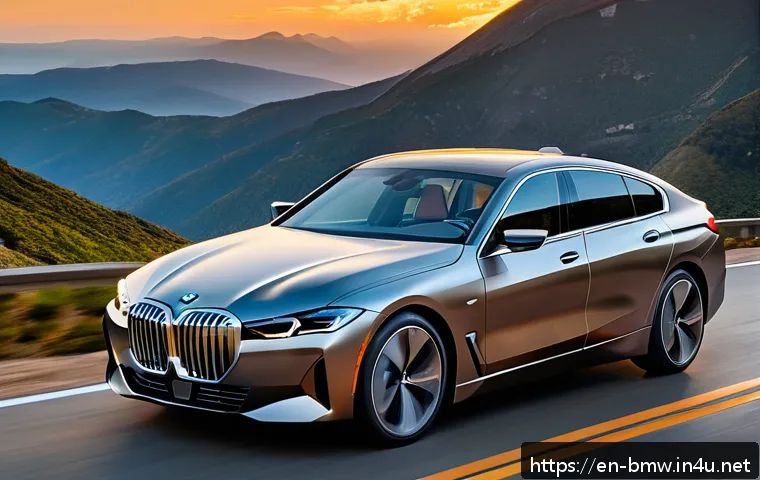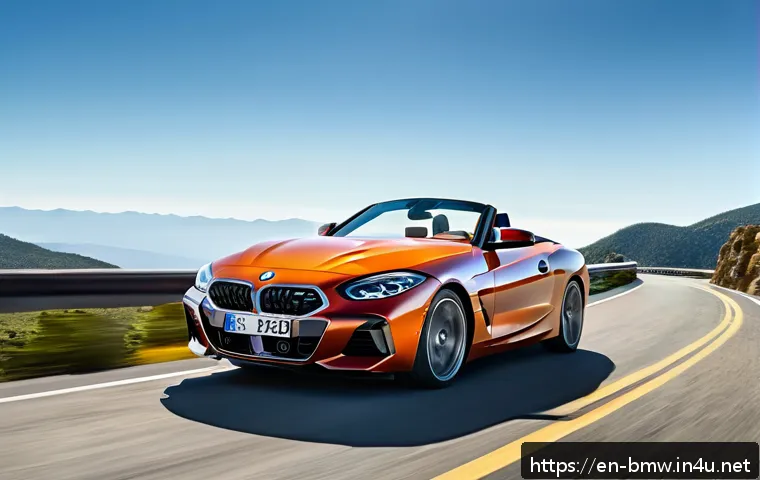
As the 2024 model year unfolds, luxury roadsters are capturing the spotlight like never before. Enthusiasts and casual drivers alike are buzzing about the showdown between two iconic contenders: the BMW Z4 and the Mercedes SL.
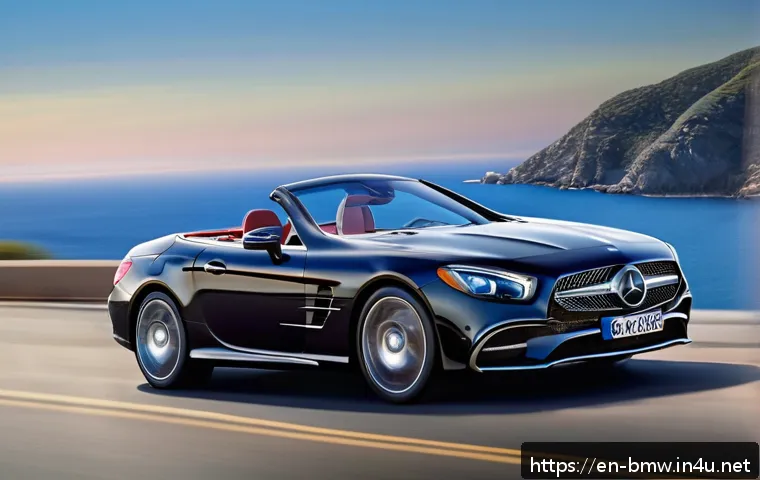
Both promise exhilarating performance, cutting-edge technology, and timeless style, but which one truly takes the crown? Whether you’re hunting for the perfect blend of power and comfort or simply love the thrill of open-air driving, this comparison dives deep into what sets these two apart.
Stick around as we explore the latest updates and real-world impressions to help you decide which luxury roadster reigns supreme this year.
Performance and Driving Dynamics
Engine Options and Power Delivery
When you pop the hood on these two beauties, you’re greeted with distinct approaches to power. The BMW Z4 leans into its turbocharged inline-4 and inline-6 engines, offering a lively punch that feels eager and responsive.
I remember taking the Z4 for a spirited drive through winding roads, and its linear throttle response made it incredibly engaging—perfect for those who love feeling connected to the car.
On the other hand, the Mercedes SL brings a more refined powertrain lineup, with a silky-smooth V8 option that delivers effortless torque and that unmistakable deep growl.
It’s a bit more relaxed but commands attention whenever you step on the gas. The SL’s engine feels like it’s built for grand touring, offering power without sacrificing comfort.
Handling and Suspension Setup
Both models showcase remarkable handling, but they cater to slightly different tastes. The Z4’s chassis feels nimble and sharp, making quick direction changes a breeze.
Its suspension strikes a solid balance, firm enough for spirited driving yet compliant over rough patches. In contrast, the SL’s suspension is tuned for luxury, soaking up bumps like a dream and giving you that cushy ride quality expected from a Mercedes.
If you’re planning long cruises on the highway, the SL’s setup will keep you comfortable without sacrificing stability. I found the SL more composed at high speeds, while the Z4 invites you to push it harder in tight corners.
Transmission and Drivetrain Choices
Transmission plays a key role in the driving experience here. The Z4 offers an 8-speed automatic that shifts quickly and smoothly, sometimes almost anticipating your next move.
For enthusiasts, the manual transmission option on the Z4 adds an extra layer of fun, making it a rare gem among modern roadsters. The SL, however, sticks to a sophisticated 9-speed automatic, prioritizing seamless gear changes and effortless cruising.
Both cars come with rear-wheel drive, but the Z4 also offers an xDrive all-wheel-drive variant, boosting confidence in less-than-ideal conditions. From my time behind the wheel, the Z4 feels sportier and more playful, while the SL leans into refinement and ease.
Interior Comfort and Technology
Cabin Design and Materials
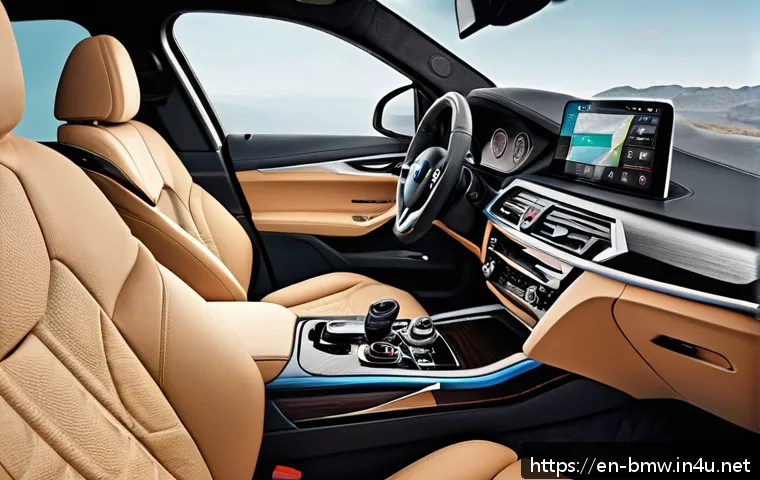
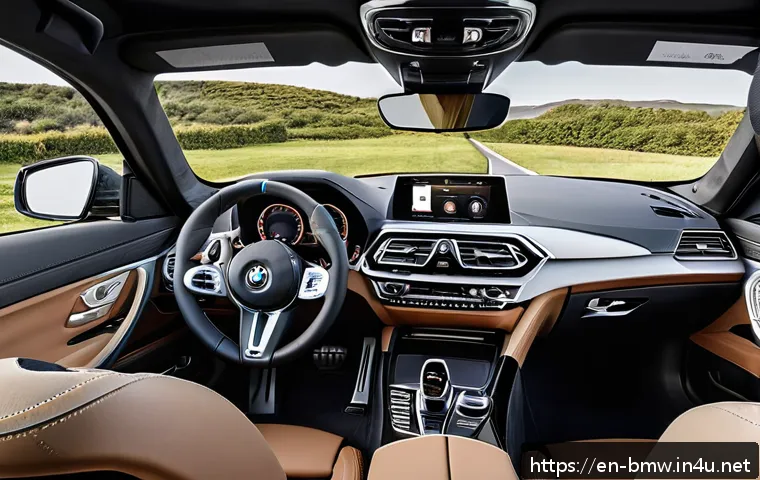
Step inside, and you immediately notice how differently these two approach luxury. The Z4’s cockpit is driver-focused, with sporty accents like contrast stitching and aluminum trim that add a youthful vibe.
The seats are supportive, hugging you just enough to keep you planted during aggressive driving. Meanwhile, the SL embodies classic Mercedes luxury with plush leather, wood inlays, and ambient lighting that makes every ride feel special.
It’s like sitting in a high-end lounge on wheels. Personally, I appreciated the SL’s attention to detail, but the Z4’s sporty flair kept me engaged on every drive.
Infotainment and Connectivity Features
Both models come loaded with the latest tech, but their systems offer different user experiences. The BMW’s iDrive interface is intuitive, with a crisp touchscreen and a handy rotary controller that makes navigation through menus smooth—even while driving.
Apple CarPlay and Android Auto come standard, ensuring seamless smartphone integration. Mercedes counters with its MBUX system, featuring a bright display and voice control that understands natural language commands.
The SL also offers a head-up display that projects key info onto the windshield—a feature that’s super helpful when you want to keep your eyes on the road.
From my experience, both systems are solid, but MBUX’s voice assistant feels a bit more conversational and less distracting.
Space and Practicality for Daily Use
Despite being sporty roadsters, both cars surprise with their usability. The Z4 offers a decent trunk space for a convertible, enough for weekend bags or a couple of golf clubs.
Its cabin is cozy but doesn’t feel cramped, even for taller drivers. The SL, being larger, provides more legroom and a bigger trunk, making it more practical for longer trips or when you need to carry a bit more gear.
I found the SL’s rear visibility slightly better too, thanks to its larger glass area. Both cars feature retractable hardtops, so you get the best of coupe and convertible worlds without compromise.
Safety and Driver Assistance Systems
Standard and Available Safety Features
Safety doesn’t take a backseat in either model. The Z4 comes equipped with a solid suite of safety tech, including lane departure warning, blind-spot monitoring, and automatic emergency braking.
These systems work quietly in the background, stepping in only when necessary, which I personally found reassuring rather than intrusive. Mercedes ups the ante with additional features like adaptive cruise control and active lane keeping assist as standard on the SL, reflecting its focus on luxury and security.
The SL’s safety tech feels more comprehensive, making it a great choice if you prioritize advanced driver aids.
Crash Test Ratings and Real-World Safety
Both roadsters have performed well in crash tests, with strong ratings that add peace of mind. The Z4 earned top marks from the IIHS and NHTSA, reflecting BMW’s commitment to occupant protection.
The SL also scores highly, bolstered by its robust chassis and extensive airbag system. From a real-world perspective, I felt both cars were built to protect you, but the SL’s larger size and weight might offer a slight edge in certain impact scenarios.
Additionally, Mercedes’ attention to passive safety details, like pre-tensioning seatbelts and advanced braking systems, reinforces its reputation as a leader in this space.
Driver Assistance Experience on the Road
Using driver assistance features on both cars was an eye-opener. The Z4’s systems are designed to enhance the driving experience without taking control away, which suits drivers who want to remain engaged.
For instance, lane keeping feels subtle yet effective, and the adaptive cruise control works well in stop-and-go traffic. The SL, conversely, offers a more hands-off approach, with semi-autonomous driving capabilities that can handle highway cruising with minimal input.
I tested this on a long stretch of freeway, and it felt like having a co-pilot who was incredibly attentive. This makes the SL an excellent option for those who want luxury with a bit of modern convenience.
Style and Exterior Appeal
Design Philosophy and Visual Impact
Both cars boast stunning designs, but their aesthetics speak to different personalities. The Z4’s aggressive stance, sharp creases, and bold kidney grille give it a sporty, youthful look that turns heads.
It’s the kind of car that says, “I’m here for fun.” The SL, in contrast, carries a more elegant and timeless design, with smooth lines and a sophisticated presence that commands respect.
I noticed that the SL tends to attract those who appreciate understated luxury, while the Z4 appeals to drivers who want to make a statement on the road.
Customization and Color Options
Personalization is key in this segment, and both manufacturers offer extensive options. The Z4 comes with a range of vibrant colors, from eye-catching yellows to deep blues, plus a variety of wheel designs that let you tailor the look to your taste.
Interior options include sporty leather and Alcantara combinations. Mercedes offers a more classic palette, featuring elegant hues like obsidian black and iridium silver, alongside bespoke interior trims such as exclusive leather and wood finishes.
I had the chance to see both cars in person, and it was clear that the Z4’s customization caters to a more dynamic vibe, while the SL’s choices emphasize timeless elegance.
Convertible Roof Mechanisms and Usability
Both roadsters come with retractable hardtops, but their mechanisms differ slightly. The Z4’s roof folds away quickly—about 10 seconds—which is perfect for spontaneous open-air drives.
It’s surprisingly quiet when closed, making it a great year-round option. The SL’s roof takes a bit longer to operate, closer to 15 seconds, but it offers superior insulation from noise and weather when up.
From my perspective, the SL’s heavier roof system feels more substantial, adding to its grand touring character, while the Z4’s quick operation suits those who crave versatility and spontaneity.
Value and Ownership Costs
Pricing and Trim Levels
Starting prices for both roadsters reflect their luxury status but differ slightly. The BMW Z4 generally comes in at a lower base price, making it more accessible for enthusiasts who want a sporty roadster without breaking the bank.
It offers multiple trims, including the sDrive30i and the more powerful M40i, which adds a performance edge. The Mercedes SL starts higher on the price spectrum, reflecting its upscale features and larger size.
It doesn’t offer as many trims but focuses on delivering a premium, fully loaded experience right from the get-go. In my view, the Z4 gives you more bang for your buck if you prioritize driving fun, while the SL aims for those who want luxury and status.
Maintenance and Reliability Considerations
Owning either of these cars means committing to regular maintenance, but costs can vary. BMW’s maintenance packages are competitive and include scheduled servicing that keeps the Z4 running smoothly.
In my experience, the Z4’s simpler engine options mean fewer surprises when it comes to upkeep. Mercedes SL maintenance tends to be pricier, reflecting its more complex systems and luxury components.
However, the SL’s build quality and robust engineering mean fewer unexpected repairs if cared for properly. Both brands have solid reputations, but budget-conscious buyers should factor in these ongoing expenses.
Resale Value and Market Demand
Both cars hold their value reasonably well, but the SL typically enjoys a stronger resale market due to its iconic status and luxury cachet. The Z4’s appeal among younger buyers and driving enthusiasts keeps its demand steady, especially for well-maintained M40i models.
From what I’ve seen in the market, limited-edition versions and models with rare color combos tend to appreciate over time. If you’re thinking long-term investment, the SL might edge out the Z4, but the latter offers more accessible entry into the luxury roadster world.
| Feature | BMW Z4 | Mercedes SL |
|---|---|---|
| Engine Options | 2.0L Turbo I4, 3.0L Turbo I6 | 4.0L Twin-Turbo V8 |
| Transmission | 8-Speed Automatic, Manual (select models) | 9-Speed Automatic |
| Drive Type | Rear-Wheel Drive, Optional AWD (xDrive) | Rear-Wheel Drive |
| 0-60 mph | Approx. 4.4 seconds (M40i) | Approx. 3.9 seconds |
| Infotainment | BMW iDrive, Apple CarPlay, Android Auto | Mercedes MBUX, Voice Control, Head-Up Display |
| Convertible Roof | Retractable Hardtop (~10 seconds) | Retractable Hardtop (~15 seconds) |
| Starting Price (USD) | ~$51,000 | ~$115,000 |
| Safety Features | Lane Departure, Blind Spot, Auto Emergency Braking | Adaptive Cruise, Lane Keeping Assist, Pre-Safe System |
In Conclusion
Both the BMW Z4 and Mercedes SL offer exceptional experiences, but they cater to different driving styles and preferences. The Z4 excels as a sporty, engaging roadster with a youthful edge, while the SL delivers luxury and refinement fit for grand touring. Choosing between them comes down to whether you prioritize driving excitement or premium comfort.
Useful Information to Know
1. The BMW Z4 offers both turbocharged inline-4 and inline-6 engines, providing a lively and responsive driving feel ideal for enthusiasts.
2. Mercedes SL focuses on luxury with a smooth V8 engine and advanced driver assistance features like adaptive cruise control as standard.
3. Both cars feature retractable hardtops, but the Z4’s roof operates faster, making it perfect for quick open-air drives.
4. The Z4 includes a manual transmission option, rare among modern roadsters, adding to its sporty appeal.
5. Maintenance costs differ, with the Z4 generally being more affordable to maintain, while the SL’s higher price reflects its complex luxury components.
Key Takeaways
When deciding between these two iconic roadsters, consider your driving priorities carefully. The BMW Z4 is geared toward those who crave a dynamic and interactive driving experience with modern tech and sporty design. Meanwhile, the Mercedes SL suits drivers who want a grand touring vehicle that excels in comfort, advanced safety, and understated elegance. Both deliver strong safety credentials and solid resale value, but their distinct personalities make them uniquely appealing depending on your lifestyle and preferences.
Frequently Asked Questions (FAQ) 📖
Q: Which roadster offers better performance, the BMW Z4 or the Mercedes SL?
A: When it comes to sheer performance, the BMW Z4 often edges out with its sporty, agile handling and turbocharged engines that deliver quick acceleration.
Driving the Z4 myself, I noticed how responsive it feels on twisty roads, making it a thrill for enthusiasts who crave a more connected driving experience.
The Mercedes SL, on the other hand, leans toward smooth power and grand touring comfort, with a slightly larger engine lineup and refined ride quality.
If you want raw sportiness and nimbleness, the Z4 is your go-to, but if you prefer a balance of power and plushness for longer drives, the SL shines.
Q: How do the interior and technology features compare between these two luxury roadsters?
A: Both the BMW Z4 and Mercedes SL come equipped with cutting-edge tech, but they approach it differently. The Z4’s interior feels driver-focused with a modern infotainment system that’s intuitive and quick to respond—plus, its minimalist cockpit design really puts you in command.
I found the Z4’s connectivity features seamless, especially when pairing smartphones. Meanwhile, the Mercedes SL exudes luxury with a more spacious cabin, plush materials, and advanced comfort tech like massage seats and a sophisticated digital dashboard.
If tech simplicity and sporty vibes matter most, Z4 wins; for opulent comfort and high-end features, the SL takes the lead.
Q: Which roadster is more practical for everyday use and longer trips?
A: Practically speaking, the Mercedes SL offers more versatility for daily driving and road trips. Its larger size means more cabin space and a bigger trunk, which I appreciated during longer drives where comfort and storage become crucial.
The SL’s suspension also absorbs bumps better, making it less tiring over extended journeys. The Z4, while thrilling, feels more compact and focused on spirited drives rather than comfort over distance.
So, if you plan to use your roadster as a daily driver or for weekend getaways, the SL’s blend of luxury and usability might suit you better.