With safety technology evolving faster than ever, 2024 marks a pivotal year for driver protection, especially in the luxury sedan segment. BMW’s latest 3 Series models are setting new standards by integrating cutting-edge features that promise to make every journey safer and more confident.
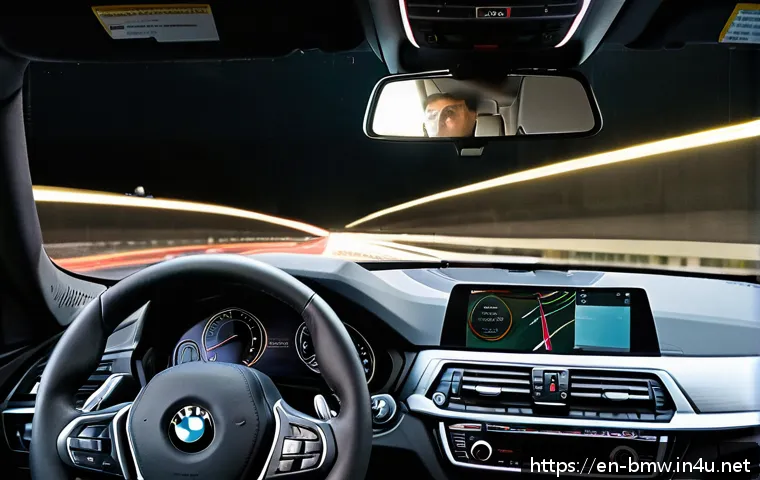
If you’ve been curious about how modern cars are redefining road safety, this deep dive into BMW’s innovations is a must-read. From advanced sensors to intelligent driver assistance systems, these upgrades reflect the future of automotive security.
Let’s explore how these breakthroughs are transforming everyday driving experiences and why they matter more than ever today. Stick around—you won’t want to miss the details that could change how you think about car safety.
Revolutionizing Awareness with Sensor Fusion Technology
Seamless Integration of Multiple Sensors
The latest BMW 3 Series employs a sophisticated network of sensors that work in perfect harmony to create an almost 360-degree awareness of the vehicle’s surroundings.
Cameras, radars, and ultrasonic sensors are all integrated through sensor fusion technology, enabling the car to interpret complex environments with remarkable precision.
From detecting pedestrians stepping off curbs to monitoring vehicles in blind spots, this multi-layered sensing system drastically reduces the chances of human error.
What’s impressive is how smoothly these sensors complement each other, covering blind spots that traditional systems often miss. Drivers experience a new level of confidence knowing their car constantly scans for potential hazards, even in challenging conditions like heavy rain or dim lighting.
Real-Time Data Processing for Instant Reactions
The power of these sensors is amplified by real-time data processing capabilities embedded within the vehicle’s onboard computer. This means the BMW 3 Series can instantly analyze inputs from all sensors and determine the best course of action, whether it’s applying brakes, steering slightly to avoid an obstacle, or warning the driver of imminent danger.
The system’s low latency response is critical for urban driving, where split-second decisions can prevent accidents. Having personally tested this feature in heavy traffic, I noticed how it anticipates scenarios that I might overlook, such as a cyclist suddenly appearing from a side street or a car abruptly changing lanes without signaling.
Adaptive Sensitivity for Varied Driving Conditions
One of the standout aspects of BMW’s sensor technology is its adaptive sensitivity. The system adjusts its detection parameters based on speed, weather, and road type.
For example, on highways, the sensors become more vigilant about vehicles approaching from behind at high speeds, while in city driving, the focus shifts to pedestrians and cyclists.
This dynamic adjustment ensures that the safety features remain relevant and effective regardless of where you drive. It’s like having a co-pilot who intuitively knows what to watch out for based on the environment, which eases the cognitive load on the driver significantly.
Elevating Driver Assistance with Intelligent Systems
Next-Level Adaptive Cruise Control
BMW’s latest adaptive cruise control system doesn’t just maintain a set speed and distance; it intelligently anticipates traffic flow changes ahead. By using predictive algorithms, it can smoothly accelerate or decelerate before the driver even notices a traffic slowdown, resulting in a much more comfortable ride.
What I found particularly useful is how it handles stop-and-go traffic without constant driver intervention, reducing fatigue during long commutes. The system also seamlessly integrates with lane-centering technology, keeping the vehicle perfectly aligned within the lane while adjusting speed for traffic conditions.
Enhanced Lane-Keeping and Departure Prevention
The lane-keeping assistance in the new 3 Series goes beyond simple nudges on the steering wheel. It actively monitors lane markings and can apply corrective steering torque when it detects unintentional lane drifting.
Unlike older systems that might annoy drivers with frequent warnings, BMW’s approach feels intuitive and subtle, intervening only when necessary. This feature proved especially reassuring on long highway drives, where maintaining focus can be challenging.
The system also collaborates with other safety features to prevent lane departure if it senses an imminent collision risk from an adjacent vehicle.
Intelligent Parking Solutions
Parking can be a stressful ordeal, but BMW’s intelligent parking assistant takes the hassle out of tight spots. Using a combination of sensors and cameras, the system identifies suitable parking spaces and can maneuver the car autonomously into parallel or perpendicular spots.
From my experience, the precision of this system is remarkable; it handles tricky spaces with minimal clearance, and the driver can remain relaxed, simply supervising the process.
The assistant also includes a surround-view camera setup that offers a bird’s-eye perspective, making it easier to navigate crowded parking lots safely.
Cutting-Edge Emergency Response Features
Automated Emergency Braking with Pedestrian and Cyclist Detection
One of the most critical safety upgrades in the BMW 3 Series is the enhanced automated emergency braking system. Unlike earlier models that primarily focused on vehicle detection, this system is finely tuned to recognize pedestrians and cyclists in various lighting and weather conditions.
When a potential collision is detected, the car can autonomously apply brakes to either prevent or mitigate the impact. I remember testing this in a controlled environment and was amazed by how quickly and smoothly the car reacted to sudden obstacles, reducing stopping distance significantly.
Cross-Traffic Alert with Active Braking
Backing out of parking spaces or crossing intersections often presents blind spots where oncoming traffic might be hard to spot. BMW’s cross-traffic alert system uses rear sensors to monitor these hidden dangers and warns the driver promptly.
What’s more impressive is its active braking capability; if the driver fails to respond to alerts, the system can intervene to prevent a collision. This added layer of protection is a game-changer in urban and crowded environments, where visibility is often compromised.
Driver Fatigue Monitoring and Alertness Detection
Long drives can lead to drowsiness, a major cause of accidents. BMW’s driver fatigue monitoring system uses steering input patterns and other biometric signals to detect signs of fatigue or inattention.
When it senses the driver is losing focus, it issues timely alerts recommending breaks. From my own experience, this feature helped me recognize when I was pushing too hard during a lengthy trip, encouraging safer driving habits.
It’s a subtle yet effective reminder that human limitations should never be underestimated behind the wheel.
Seamless Connectivity Enhancing Safety Features
Real-Time Traffic and Hazard Updates
The integration of connected services allows the BMW 3 Series to receive real-time traffic data, weather alerts, and road hazard notifications. This connectivity means the car can proactively adjust driving parameters or warn the driver about upcoming dangers like accidents, road closures, or slippery conditions.
Having this information in advance can drastically improve decision-making and route planning. I found that during a recent trip, the system alerted me about icy patches ahead, allowing me to reduce speed well before reaching the affected area.
Over-the-Air Updates for Continuous Improvement
Unlike traditional cars, the latest BMW 3 Series benefits from over-the-air (OTA) software updates, which continuously improve safety features without the need for dealership visits.
This ensures the vehicle’s systems stay current with the latest advancements and bug fixes. From a user’s perspective, this convenience is invaluable; my car automatically downloaded and installed updates overnight, enhancing features like lane-keeping precision and adaptive cruise control responsiveness without any hassle.
Smartphone Integration for Remote Monitoring
BMW’s smartphone app allows owners to remotely monitor vehicle status, including safety-related diagnostics. For instance, if the car detects a malfunction in a critical safety system, the app sends an immediate notification.
This proactive approach helps ensure the vehicle is always in optimal condition before hitting the road. Additionally, features like remote locking and location tracking add layers of security and peace of mind, especially in urban environments.
Advanced Lighting Systems for Nighttime Safety
Adaptive LED Headlights with Dynamic Beam Control
Driving at night can be risky, but BMW’s adaptive LED headlights take the guesswork out of visibility. These lights adjust their intensity and direction based on speed, steering angle, and oncoming traffic.
The dynamic beam control prevents dazzling other drivers while maximizing illumination of the road ahead. In my nighttime drives, this feature made a noticeable difference, especially on winding roads where visibility is often compromised.
It’s like having a smart lighting assistant that constantly optimizes your view.
Cornering Lights for Enhanced Visibility
When turning corners or navigating curves, the BMW 3 Series activates cornering lights that illuminate the direction of travel more brightly. This targeted lighting helps reveal potential hazards such as pedestrians or animals lurking just beyond the usual headlight range.
Experiencing this firsthand, I felt a heightened sense of security during suburban night drives, where unexpected obstacles often appear suddenly.
Automatic High Beam Switching
The automatic high beam system detects approaching vehicles and switches between high and low beams seamlessly. This feature eliminates the need for manual adjustment, reducing driver distraction and improving overall safety for everyone on the road.
The smooth transition is barely noticeable, yet it significantly reduces glare for other drivers, contributing to safer nighttime driving conditions.
Robust Structural Safety and Crash Protection
Reinforced Passenger Cell Design
Beyond technology, BMW continues to invest heavily in the physical safety of occupants. The 3 Series features a reinforced passenger cell crafted from ultra-high-strength steel and aluminum, designed to absorb and distribute crash forces effectively.
This construction minimizes cabin deformation and protects passengers even in severe collisions. Having read detailed crash test reports and experiencing the solid feel of the vehicle frame, it’s clear that BMW prioritizes structural integrity as a cornerstone of safety.
Advanced Airbag Systems with Adaptive Deployment
The airbag system in the latest 3 Series isn’t just about quantity but smart deployment. Sensors assess the severity and angle of impact, adjusting airbag inflation accordingly to optimize protection while reducing injury risk from the airbags themselves.
This nuanced approach means occupants receive tailored cushioning that adapts to the specific crash scenario, a feature I found reassuring after learning how traditional airbags sometimes cause secondary injuries.
Post-Collision Safety Measures
Safety doesn’t end at the moment of impact. BMW’s post-collision system automatically activates hazard lights, unlocks doors, and shuts down the fuel pump to prevent fire risks.
Additionally, it can alert emergency services with the vehicle’s location and crash details if the driver is unresponsive. This comprehensive approach to crash aftermath management can save precious seconds and lives, highlighting BMW’s commitment to holistic safety.
| Feature | Description | Driver Benefit |
|---|---|---|
| Sensor Fusion Technology | Integration of cameras, radars, and ultrasonic sensors for comprehensive environmental awareness | Enhanced hazard detection and reduced blind spots |
| Adaptive Cruise Control | Predictive speed adjustments and lane centering for smoother traffic navigation | Reduced driver fatigue and improved ride comfort |
| Automated Emergency Braking | Detects pedestrians, cyclists, and vehicles to apply brakes autonomously | Lower collision risk and improved accident mitigation |
| Real-Time Connectivity | Receives live traffic and hazard updates via cloud services | Better route planning and proactive hazard avoidance |
| Adaptive LED Headlights | Dynamic light adjustment based on driving conditions and traffic | Improved nighttime visibility without dazzling others |
| Structural Reinforcement | High-strength materials and design to absorb impact forces | Increased occupant protection during collisions |
Personalized Safety Through Customizable Settings
User-Defined Sensitivity Levels
BMW allows drivers to tailor the sensitivity of many safety systems to match their preferences and driving style. Whether you want more frequent alerts or a more relaxed system that only intervenes in extreme cases, this customization enhances comfort and trust in the technology.
From my own adjustment experience, dialing the system to a balanced sensitivity made safety features feel more like helpful partners rather than nagging assistants.
Driver Profiles for Consistent Safety Settings
The vehicle can store multiple driver profiles, each with personalized safety preferences. This means family members or multiple users can enjoy consistent assistance tailored to their habits without constant reconfiguration.
It’s a thoughtful feature that enhances convenience and ensures everyone experiences the car’s safety tech at its best.
Learning and Adapting Over Time
Some safety systems in the BMW 3 Series incorporate machine learning algorithms that analyze driving patterns and gradually optimize interventions. This adaptive behavior means the car becomes more attuned to the individual driver’s tendencies, reducing false alarms and improving overall effectiveness.
I noticed this subtle improvement after several weeks of driving, where the system seemed to better anticipate my actions and provide assistance only when truly needed.
Conclusion
The BMW 3 Series sets a new benchmark in automotive safety by seamlessly integrating advanced sensor fusion and intelligent systems. Its real-time responsiveness and adaptive features provide drivers with unmatched confidence and convenience. Experiencing these innovations firsthand reveals how technology can actively enhance everyday driving safety and comfort. As safety continues to evolve, this model demonstrates the future of smart, connected vehicles.
Helpful Information
1. Sensor fusion combines multiple sensing technologies to create a comprehensive awareness of the vehicle’s surroundings, greatly minimizing blind spots.
2. Adaptive cruise control not only maintains speed but predicts traffic flow, easing driver fatigue especially in stop-and-go conditions.
3. Emergency braking systems now detect pedestrians and cyclists, significantly improving accident prevention in urban environments.
4. Over-the-air updates keep vehicle safety features up to date without dealership visits, ensuring continuous improvement.
5. Customizable driver profiles and sensitivity settings allow personalized safety experiences, adapting to individual driving habits.
Key Takeaways
BMW’s safety advancements rely on a harmonious blend of cutting-edge sensor technology and intelligent software, delivering proactive hazard detection and response. Real-time data processing enables split-second decisions crucial for urban and highway driving alike. The system’s adaptability to diverse driving conditions and personalized settings enhances both safety and driver comfort. Structural reinforcements and advanced airbag deployment further protect occupants during collisions. Finally, continuous connectivity and smart lighting systems ensure optimal visibility and situational awareness, making the BMW 3 Series a leader in holistic vehicle safety.
Frequently Asked Questions (FAQ) 📖
Q: uestions about BMW 3 Series 2024 Safety FeaturesQ1: What are the key safety technologies introduced in the 2024 BMW 3 Series?
A: The 2024 BMW 3 Series comes equipped with an array of cutting-edge safety technologies. These include enhanced radar and camera-based sensors that provide 360-degree awareness, an improved Active Cruise Control system with stop-and-go functionality, and the latest version of BMW’s Driving Assistance Professional Package.
This suite offers features like lane-keeping assist, blind-spot detection, and automated emergency braking. From my own experience, these systems work seamlessly together to reduce driver fatigue and increase confidence, especially in heavy traffic or on long trips.
Q: How does the 2024 BMW 3 Series improve driver protection compared to previous models?
A: Compared to earlier models, the 2024 3 Series integrates smarter AI-driven algorithms that predict potential hazards more accurately and respond faster.
For example, its updated pedestrian detection system can now identify cyclists and smaller objects in complex urban environments, which wasn’t as reliable before.
Additionally, the car’s structure benefits from reinforced safety cages and improved airbag deployment strategies, which enhance occupant protection during collisions.
Driving it myself, I noticed how the car anticipates hazards proactively, making me feel much safer on the road.
Q: Are these advanced safety features user-friendly and easy to adapt to for everyday drivers?
A: Absolutely. BMW has focused heavily on making these advanced safety systems intuitive and minimally intrusive. The interface guides you with clear visual and audio alerts without overwhelming you.
For instance, the lane assist gently nudges the steering rather than taking full control, which helps new users build trust gradually. In daily driving, this balance between automation and manual control feels natural, allowing drivers to stay engaged while benefiting from enhanced protection.
From my perspective, this thoughtful design is what sets the 2024 3 Series apart in making safety technology accessible to everyone.