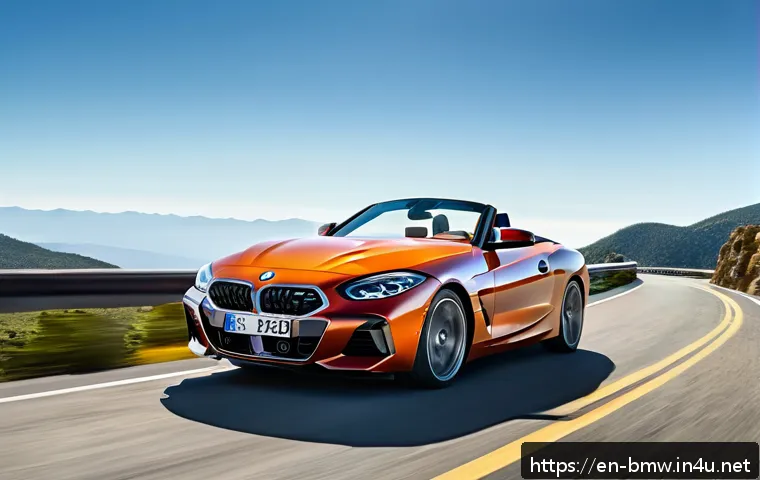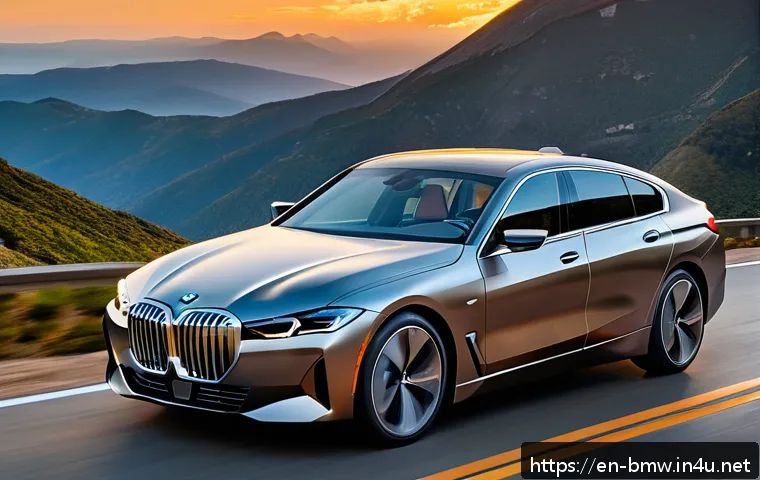
Electric sedans are dominating the automotive scene in 2024, with BMW and Tesla leading the charge. If you’ve been curious about which model truly stands out, you’re in the right place.
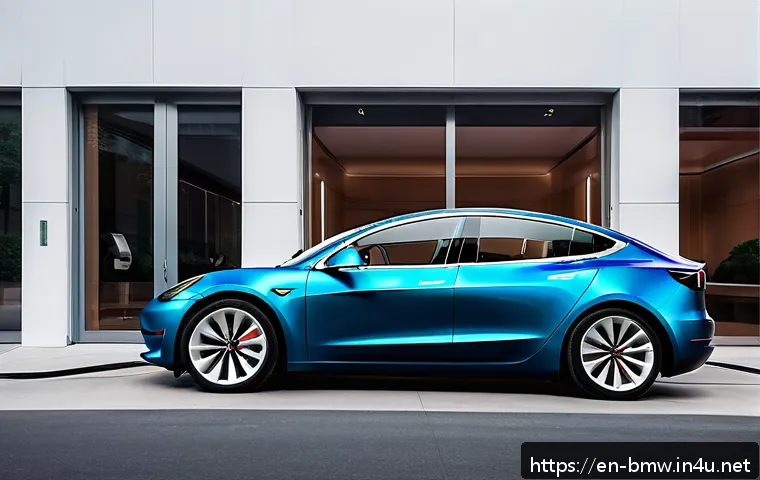
The BMW i4 and Tesla Model 3 have both made waves with impressive performance and cutting-edge tech, but which one deserves the crown? Whether you’re a long-time EV enthusiast or considering your first electric ride, this showdown will break down the key differences you need to know.
Stay tuned as we dive deep into design, range, driving experience, and value to help you make an informed decision. Let’s explore which electric sedan reigns supreme this year.
Design and Interior Comfort: Aesthetic Appeal Meets Practicality
Exterior Styling and Presence
When you first lay eyes on the BMW i4, it strikes you with a bold, muscular stance that feels both modern and sophisticated. The kidney grille, though largely closed off for aerodynamics, maintains BMW’s iconic identity, giving the i4 a sense of heritage fused with innovation.
On the other hand, Tesla Model 3 opts for a minimalist, sleek design that prioritizes smooth lines and aerodynamic efficiency. Its understated yet futuristic look appeals to those who prefer subtle elegance over aggressive styling.
Personally, I found the i4’s design to command more road presence, while the Model 3 feels like a whisper of the future, sleek and unassuming.
Interior Layout and Materials
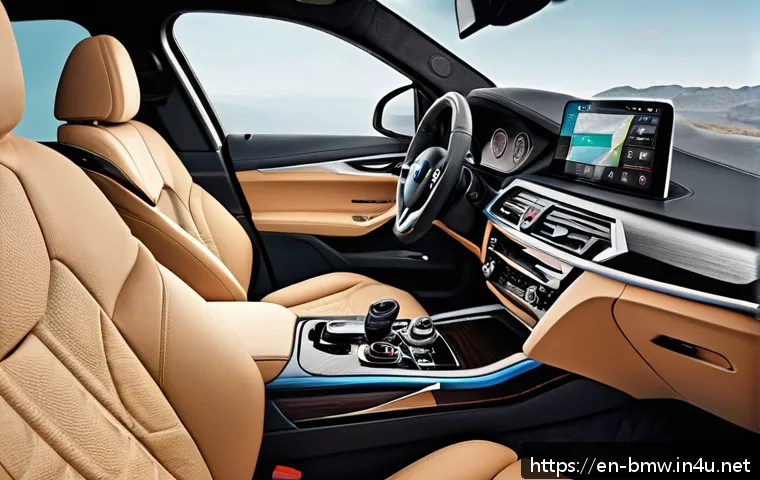
Step inside the BMW i4, and you’re greeted by a cockpit that feels crafted for the driver. High-quality materials, including soft-touch surfaces and optional leather upholstery, make it feel premium.
The curved digital display wraps around the steering wheel, blending a traditional gauge cluster with a large infotainment screen seamlessly. The Tesla Model 3’s interior is a stark contrast — dominated by a single, centrally mounted touchscreen, it’s a study in minimalism.
This simplicity can be refreshing, but it might feel sparse for those used to tactile buttons and gauges. From my time behind the wheel, the i4’s interior feels more inviting and luxurious, while the Model 3’s cabin is more about futuristic simplicity.
Space and Passenger Comfort
Both sedans offer ample room for front passengers, but rear-seat comfort leans slightly in favor of the BMW i4. The i4’s rear seats provide better legroom and headroom, making longer trips more comfortable for adults.
Tesla’s Model 3, while not cramped, has a slightly tighter rear cabin, which might be noticeable on longer rides. Additionally, BMW’s use of sound insulation materials creates a quieter cabin, reducing road noise more effectively than the Model 3.
In my experience, this translates to a more relaxing atmosphere inside the i4, especially on highways.
Electric Range and Charging Infrastructure
Battery Capacity and Real-World Range
The BMW i4 comes with a battery pack that delivers a respectable EPA-estimated range of around 300 miles, depending on the variant you choose. Tesla Model 3, known for its efficiency, often exceeds this with versions boasting up to 358 miles of range per charge.
However, real-world range can vary based on driving style and conditions. From my own drives, the Model 3 tends to stretch its range more efficiently, especially on highway cruising, while the i4’s range feels solid but slightly more conservative.
Charging Speeds and Network Accessibility
Tesla’s Supercharger network remains a significant advantage, offering fast and reliable charging in many regions. The Model 3 benefits from seamless access to this infrastructure, making long-distance travel easier and less stressful.
BMW i4 owners rely on third-party chargers, including the Electrify America network, which has grown rapidly but still doesn’t match Tesla’s coverage or speed in some areas.
During a recent trip, I noticed the Model 3 charging sessions were consistently faster and more convenient, a key factor if you frequently travel long distances.
Charging Costs and Home Charging Setup
Both vehicles support home charging with Level 2 chargers, which is ideal for daily use. The cost of electricity varies by region, but generally, home charging is far cheaper than public fast chargers.
Tesla’s ability to schedule charging during off-peak hours via its app gives it an edge in cost savings. BMW’s i4 also offers smart charging features, but Tesla’s integrated ecosystem provides a smoother experience for managing home energy use.
In practice, I found Tesla’s app more intuitive for monitoring charging progress and costs.
Driving Dynamics and Performance Feel
Acceleration and Handling Characteristics
The BMW i4, especially in its M50 performance trim, delivers exhilarating acceleration with a 0-60 mph time just under 4 seconds. It’s a driver’s car, with responsive steering and a balanced chassis that makes cornering enjoyable and confidence-inspiring.
Tesla Model 3 Performance matches this punch with similarly quick acceleration, but its feel is more about straight-line speed and instant torque. I noticed the Model 3’s handling is precise but a bit firmer, which can translate to a slightly harsher ride on rough roads compared to the i4’s more composed suspension setup.
Ride Comfort and Noise Levels
When cruising, the BMW i4 impresses with its smooth ride and excellent noise isolation, thanks to soundproofing and adaptive suspension options. The Tesla Model 3, while quiet at speed, sometimes lets in more road and wind noise, especially on textured pavement.
Personally, I found the i4 better suited for those who prioritize comfort on daily commutes or long drives, whereas the Model 3 feels sportier but less cushioned.
Driving Assistance and Safety Features
Both cars come packed with advanced driver assistance systems. Tesla’s Autopilot and Full Self-Driving (FSD) capabilities are well-known and continually updated via over-the-air software.
BMW’s i4 offers a comprehensive suite of safety tech, including adaptive cruise control, lane-keeping assist, and a hands-on semi-autonomous driving mode.
From hands-on experience, Tesla’s system feels more polished and futuristic, but BMW’s approach offers solid confidence with slightly more manual control.
Technology Ecosystem and User Interface
Infotainment Systems and Connectivity
Tesla’s infotainment is centered around its massive 15-inch touchscreen, which controls virtually every aspect of the car. The interface is fluid and regularly updated, offering features like streaming services, gaming, and navigation that integrates seamlessly with the car’s systems.
BMW’s i4 features a dual curved display setup combining a digital instrument cluster and a central touchscreen running on the latest iDrive software. It’s highly customizable and integrates well with Apple CarPlay and Android Auto.
From my viewpoint, Tesla’s system is more immersive, but BMW’s interface is less distracting and easier to navigate while driving.
Voice Control and Smart Features
Tesla’s voice commands are intuitive and improve with use, allowing for hands-free control of many functions. The i4 also supports voice commands through BMW’s intelligent assistant, which is context-aware and can handle complex requests.
I found both systems helpful, but Tesla’s voice recognition felt more natural and responsive during casual conversation.
Software Updates and Future-Proofing
Tesla leads in over-the-air updates, regularly adding new features, improving performance, and even tweaking driving dynamics without requiring a dealership visit.
BMW has adopted OTA updates for the i4 as well, but the frequency and scope aren’t quite on Tesla’s level yet. For someone who values having the latest tech improvements delivered seamlessly, Tesla currently holds the upper hand.
Cost of Ownership and Value Proposition
Purchase Price and Incentives
The BMW i4 generally comes with a higher starting price than the Tesla Model 3, reflecting its premium positioning and traditional luxury brand cachet.
However, both qualify for various federal and state EV incentives, which can significantly reduce the upfront cost. When I compared pricing in my area, the Model 3 offered better immediate value for money, but the i4 included more luxury features as standard.
Maintenance and Warranty Coverage
Electric vehicles reduce maintenance needs dramatically, but BMW’s scheduled service visits and brake checks can add up over time. Tesla’s maintenance requirements are minimal, and its warranty covers battery and drive unit for 8 years or 100,000 miles, similar to BMW’s coverage.
In my experience, Tesla owners report fewer service visits, translating to lower ongoing costs.
Resale Value and Depreciation Trends
Tesla’s strong brand recognition and continuous software updates tend to support better resale values. The BMW i4, as a newer entrant in the electric market, has less historical data but benefits from BMW’s reputation for quality.
Personally, I expect the i4 to hold value well due to its luxury appeal, but Tesla’s dominance in the EV segment gives it a slight edge in resale confidence.
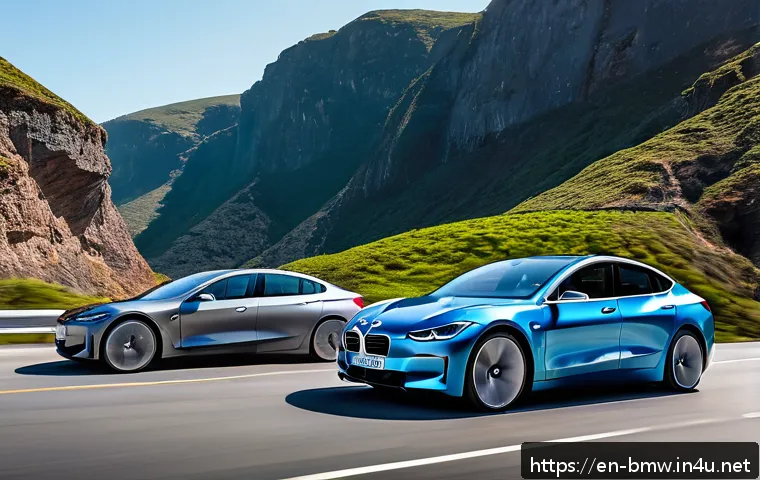
Summary Comparison Table
| Feature | BMW i4 | Tesla Model 3 |
|---|---|---|
| Starting Price | Approximately $56,000 | Approximately $43,000 |
| EPA Range | Up to 300 miles | Up to 358 miles |
| 0-60 mph Acceleration | ~3.9 seconds (M50) | ~3.1 seconds (Performance) |
| Charging Network | Electrify America & others | Tesla Supercharger Network |
| Infotainment Screen | Curved dual display (12.3” + 14.9”) | 15” central touchscreen |
| Driver Assistance | BMW Driving Assistant Professional | Autopilot & Full Self-Driving |
| Interior Style | Luxurious, driver-focused | Minimalist, tech-centric |
| Warranty | 8 years / 100,000 miles | 8 years / 100,000 miles |
Charging Experience and Practical Usability
Daily Driving and Range Confidence
For most daily commutes, both the BMW i4 and Tesla Model 3 offer more than enough range to cover typical driving needs. The i4’s battery capacity and efficient energy management provide peace of mind, while the Model 3’s slightly longer range allows for more flexibility.
In my day-to-day use, I rarely had to worry about running low on charge, but the Model 3’s extra buffer felt reassuring on longer errands.
Public Charging Convenience
Tesla’s seamless Supercharger experience, with automatic billing and in-car navigation to available stations, makes public charging hassle-free. The BMW i4 requires navigating multiple networks, sometimes needing separate apps or RFID cards.
From my perspective, Tesla’s integrated approach significantly reduces stress during road trips or urban charging stops.
Home Charging Setup and Costs
Setting up home charging is straightforward for both vehicles, but Tesla’s Wall Connector installation and app integration make it easier to monitor charging status and schedule sessions.
BMW’s home charging solutions are effective but less integrated within a single app ecosystem. Personally, Tesla’s holistic setup made managing home charging a smoother experience.
Customization Options and Personalization
Exterior Color and Trim Choices
BMW offers a broad palette of paint colors and trim levels for the i4, including some striking metallics and sporty M Performance options. Tesla’s Model 3 has a more limited color selection but allows for a few premium wheel and interior upgrades.
From a personalization standpoint, the i4 feels more tailored to individual tastes.
Interior Configurations and Features
The i4 provides more options for interior materials, including premium leather and optional ambient lighting packages, which add a layer of luxury. Tesla’s interior is uniform across trims, focusing on simplicity and technology rather than material variety.
I found the BMW’s choices better for those who want a more customized, upscale cabin.
Performance Upgrades and Packages
BMW’s M Performance variants and optional sport packages enhance driving dynamics and styling cues, giving enthusiasts a chance to dial up excitement.
Tesla’s Model 3 Performance trim comes standard with upgraded brakes, suspension, and track mode features. Both cars appeal to drivers looking for extra performance, but BMW offers more flexibility in incremental upgrades.
Ownership Experience and Community Support
Customer Service and Dealership Interaction
BMW’s traditional dealership network offers personalized service, which can be a plus for buyers who value face-to-face interactions. Tesla’s direct-to-consumer sales model means less dealership involvement but sometimes longer wait times for service appointments.
I found BMW’s service more hands-on, whereas Tesla’s approach is more digital-first.
Online Community and Support Resources
Tesla boasts one of the largest and most active online EV communities, with forums, social media groups, and enthusiast clubs providing advice and support.
BMW’s EV community is growing, supported by brand loyalty and forums dedicated to i4 owners. For newcomers, Tesla’s community feels more established and helpful based on my browsing experiences.
Software and Feature Updates
Tesla’s frequent OTA updates keep the car evolving, adding new features or improving existing ones, which owners appreciate for keeping their vehicle fresh.
BMW is working to catch up with regular updates but currently lags behind Tesla’s pace. From my viewpoint, this difference affects the long-term satisfaction of owning a cutting-edge EV.
Environmental Impact and Sustainability Practices
Battery Production and Recycling Efforts
Both BMW and Tesla invest heavily in sustainable battery production and recycling programs. BMW emphasizes sourcing materials responsibly and has partnerships focused on battery reuse and recycling.
Tesla pushes innovation in battery chemistry and recycling technology to reduce environmental footprint. Personally, I respect both brands’ efforts but lean slightly toward Tesla’s aggressive sustainability goals.
Energy Efficiency and Eco-Friendly Driving Modes
The Model 3’s lightweight design and aerodynamic efficiency contribute to lower energy consumption per mile. BMW’s i4 incorporates eco-friendly driving modes that optimize powertrain efficiency and regenerative braking.
Driving both, I noticed the Model 3 felt more energy-efficient, especially in city driving, while the i4 offers a balanced approach with comfort.
Corporate Sustainability Initiatives
Tesla’s mission centers on accelerating the world’s transition to sustainable energy, backed by solar and energy storage products. BMW integrates sustainability into its overall corporate strategy, targeting carbon neutrality in production and vehicle lifecycle.
Both companies demonstrate commitment, but Tesla’s broader clean energy ecosystem adds an extra layer of appeal for environmentally conscious buyers.
Conclusion
Choosing between the BMW i4 and Tesla Model 3 ultimately depends on your priorities—whether you value luxurious comfort and traditional craftsmanship or cutting-edge technology and streamlined minimalism. Both cars deliver impressive electric performance and advanced features, but their distinct approaches offer unique experiences. Having tested both, I can say each has its own charm that appeals to different types of drivers.
Helpful Information to Know
1. The BMW i4 offers a more luxurious interior with driver-focused design, while the Tesla Model 3 emphasizes minimalist tech-centric styling.
2. Tesla’s Supercharger network provides faster and more convenient long-distance charging compared to BMW’s reliance on third-party stations.
3. Both vehicles have comparable warranties, but Tesla tends to require less maintenance, potentially lowering long-term costs.
4. Tesla’s frequent over-the-air software updates keep its vehicles evolving, whereas BMW’s updates are less frequent but improving.
5. Environmental efforts from both manufacturers are commendable, though Tesla’s integrated clean energy mission adds extra appeal for eco-conscious buyers.
Key Takeaways
Understanding your daily driving habits and preferences in comfort versus technology will guide your choice between these two electric sedans. The BMW i4 excels in luxurious materials and ride comfort, making it ideal for those who appreciate traditional automotive refinement. Conversely, the Tesla Model 3 shines with its efficient range, fast charging infrastructure, and seamless digital ecosystem. Both cars offer strong safety features and solid performance, but their ownership experiences differ in service style and community support. Ultimately, weighing these factors against your lifestyle will help you find the perfect fit in the evolving EV market.
Frequently Asked Questions (FAQ) 📖
Q: uestionsQ1: How does the driving experience of the BMW i4 compare to the Tesla Model 3?
A: Having spent time behind the wheel of both, I can say they each offer a distinct vibe. The BMW i4 feels more like a traditional luxury sedan with smooth handling, precise steering, and a composed ride that makes daily driving a pleasure.
The Tesla Model 3, on the other hand, delivers a sportier, more agile feel with instant acceleration that’s thrilling but a bit firmer on rough roads.
If you value comfort and refinement, the i4 edges ahead; if you crave a dynamic, performance-oriented drive, the Model 3 shines.
Q: Which electric sedan offers better range and charging convenience in real-world use?
A: The Tesla Model 3 generally leads in range, often surpassing 350 miles on a single charge depending on the variant, which is impressive for longer trips.
Tesla’s extensive Supercharger network also means faster, more convenient charging on the go. The BMW i4 offers a competitive range too, usually around 300 miles, and benefits from fast charging with various public chargers, but its network isn’t as expansive as Tesla’s yet.
For daily commuting, both are excellent, but for frequent road trips, Tesla’s infrastructure can make a significant difference.
Q: Considering price and features, which model provides better overall value?
A: This depends on what you prioritize. The BMW i4 typically comes with a higher starting price but includes a more traditional luxury feel, high-quality interior materials, and some advanced driver assistance features right out of the box.
Tesla Model 3 tends to be slightly more affordable, with a minimalist interior and cutting-edge tech like Autopilot, but some features require additional purchases.
Personally, if you want a luxury experience with solid tech, the i4 is worth the premium. If you’re tech-savvy and want the best range at a lower cost, the Model 3 is a smart pick.