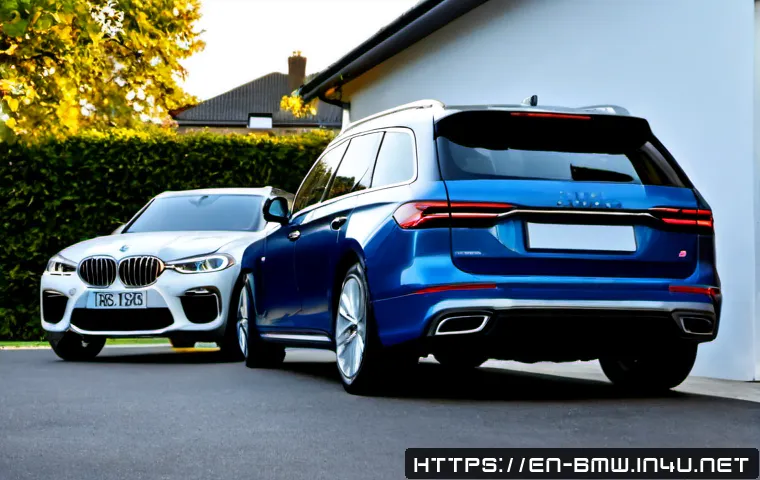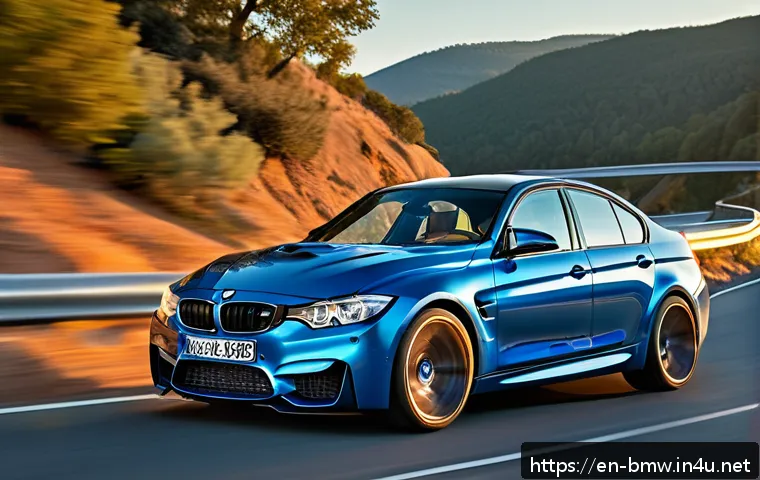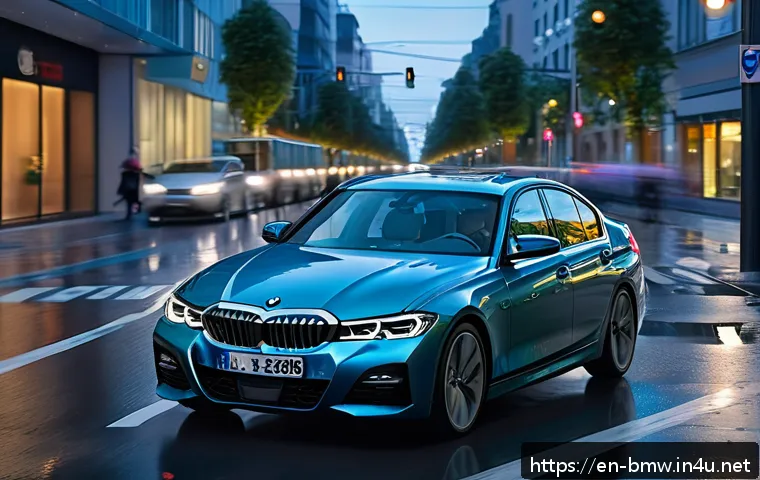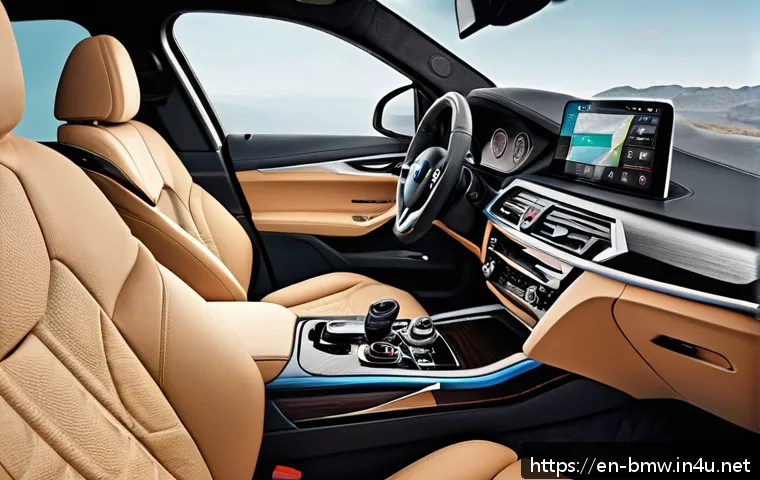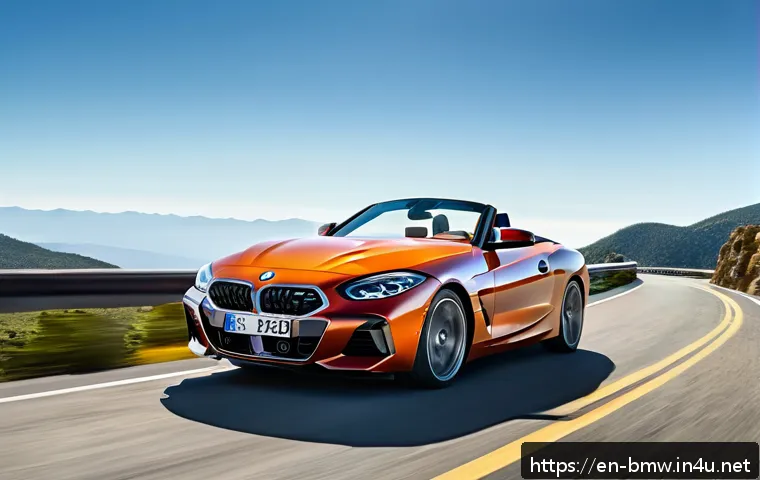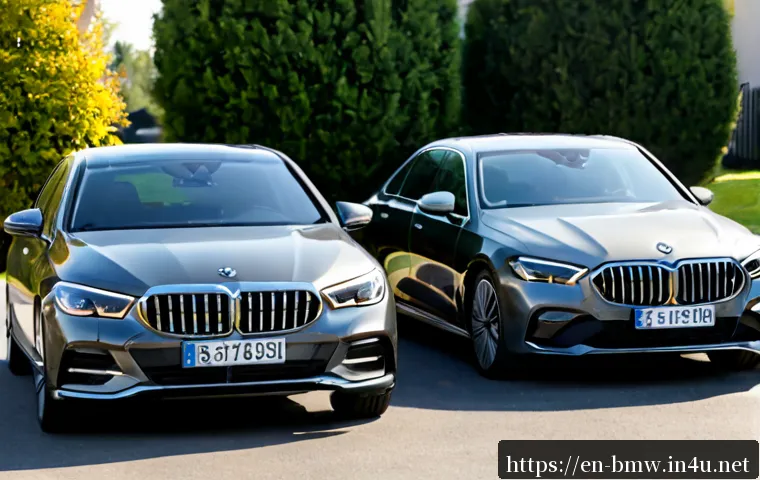
The BMW 3 Series is usually the better value for drivers who want agile handling and lower ownership costs, while the 5 Series suits buyers who prioritize rear-seat room, highway comfort, and premium technology.
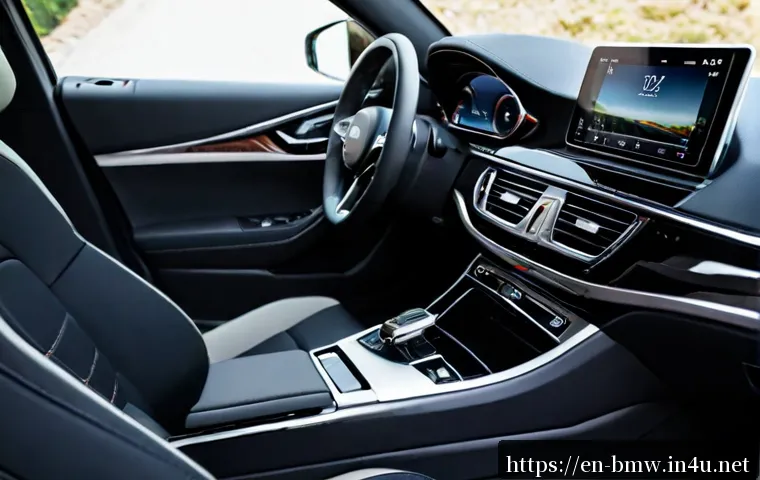
Compare size, pricing, features, and running costs before choosing.
The BMW 3 Series is usually the better fit if you want a compact luxury sedan that is easier to park, more agile in city traffic, and potentially less expensive to own. The BMW 5 Series makes more sense if rear-seat space, highway comfort, and a more substantial cabin matter more than keeping the monthly budget as low as possible. Both can be strong choices, but the right answer depends on how often you carry passengers, where you drive, and how much equipment you expect. Compare similarly equipped vehicles rather than relying on an advertised base price. Your lease offer, financing rate, insurance estimate, and local inventory can change the value equation. A careful test drive and a complete ownership-cost comparison will make the decision clearer.
At a Glance
- Choose the 3 Series for easier urban maneuvering, a compact footprint, and a value-focused luxury sedan purchase.
- Choose the 5 Series for a larger cabin, more rear-seat practicality, and greater comfort on frequent highway trips.
- Compare equipped price, insurance, financing, tires, warranty coverage, and fuel or charging needs before choosing either sedan.
| Decision Factor | BMW 3 Series | BMW 5 Series |
|---|---|---|
| Vehicle class | Compact luxury sedan | Midsize luxury sedan |
| Urban driving and parking | Usually easier to maneuver in dense areas | Requires more room in garages, streets, and parking spaces |
| Cabin and rear-seat room | Better suited to drivers who do not regularly need a large rear cabin | Generally offers more cabin and rear-seat space |
| Comfort priority | More focused on a compact, agile driving experience | Better aligned with a comfort-focused, long-distance role |
| Ownership budget | Generally lower starting price and potentially lower related costs | Generally higher starting price and potentially higher insurance, tire, maintenance, and financing costs |
| Powertrain and technology | Depends on model year, trim, market, and selected packages | Depends on model year, trim, market, and selected packages |
Quick Answer: Choose Agility or Choose Space?
The simplest distinction is agility versus space. The 3 Series is the practical starting point for buyers who drive alone or with one passenger most days. The 5 Series is the stronger candidate when the rear seat is used often or when long drives make ride comfort a higher priority.
The 3 Series for value-focused drivers and tighter city parking
The 3 Series suits a commuter who wants a premium sedan without moving into the larger midsize category. Its smaller footprint can make parking garages, narrow streets, and crowded office lots easier to manage. It can also be the more sensible choice when a lower purchase price, lease payment, auto insurance estimate, or financing amount is important. That does not automatically make it the cheapest option, however. A heavily optioned 3 Series can overlap with a more modestly equipped 5 Series, so compare the actual vehicles in front of you.
The 5 Series for comfort, rear-seat use, and longer highway trips
The 5 Series is aimed at shoppers who need more room to stretch out. Its larger cabin generally gives rear passengers a better experience, which matters for clients, family members, coworkers, or regular airport runs. Frequent highway drivers may also prefer the more substantial midsize-sedan feel. The trade-off is straightforward: a larger luxury sedan may bring a higher purchase price and higher ongoing costs. Check whether that added comfort will be used often enough to justify the upgrade.
Three questions to answer before comparing trims
First, ask how often adults will sit in the rear seats. Second, consider whether your normal parking space and daily route favor a smaller sedan. Third, set a complete monthly budget that includes more than the payment. A lease quote or auto loan payment is only one part of ownership; insurance, tires, maintenance, fuel or charging, and available warranty coverage all deserve a place in the comparison.
Side-by-Side Comparison: Size, Comfort, Performance, and Technology
Neither model should be judged by its badge alone. A well-matched trim, powertrain, wheel setup, and driver-assistance package can matter as much as the difference between the 3 Series and 5 Series nameplates.
Cabin room, rear-seat practicality, and cargo needs
The 5 Series generally has the advantage when passenger space is the deciding factor. Test the rear seat with the people who will actually use it, especially if taller adults or child seats are part of your routine. Also open the trunk and consider real items: a carry-on bag, work equipment, stroller, or weekend luggage. Do not assume that a larger sedan automatically solves every cargo need; check the opening, floor shape, and access for yourself.
Ride comfort versus nimble handling
The 3 Series is the natural choice for shoppers who enjoy a smaller sedan that feels easier to place on the road. The 5 Series generally makes a stronger case for buyers who value a more relaxed cabin experience on longer drives. Wheel size can affect this decision. Larger wheels may change ride feel and can affect replacement-tire costs, so inspect the exact wheels fitted to each vehicle rather than judging the model line in general.
Powertrain choices and daily-driving efficiency
Both model lines may offer different engines, drivetrains, and electrified configurations depending on model year and market. Fuel economy and real-world running costs can vary with the powertrain, wheel size, traffic, weather, driving style, and hybrid or plug-in hybrid setup. If you are considering an electrified version, think through your usual charging access before treating fuel savings as guaranteed. Compare the exact configuration available locally, not a specification from a different model year or region.
Standard equipment versus optional packages
Technology comparisons can become misleading quickly. Driver-assistance features, infotainment functions, comfort equipment, and premium upgrades may be standard on one vehicle but optional on another. Make a short list of non-negotiables: parking assistance, seat comfort, phone integration, navigation preferences, safety technology, or upgraded audio. Then compare the window sticker or dealer equipment list line by line. This prevents a lower advertised price from looking better than a differently equipped competitor.
Price and Ownership Cost: What the Monthly Budget Should Include
A luxury sedan decision is not simply a choice between two sticker prices. The better value is the car that matches your daily needs without creating avoidable ownership costs.
Purchase price, lease structure, and financing considerations
The 5 Series generally carries a higher starting price than a comparable 3 Series. Still, your final transaction depends on the specific trim, options, trade-in value, incentives, local inventory, lease terms, and financing rate. When reviewing a lease offer, look beyond the advertised payment and understand the vehicle, term, mileage allowance, upfront amount, and included services. When financing, compare the total amount financed and the rate offered for the same loan term. A low monthly payment can reflect a longer term rather than a lower overall cost.
Insurance, maintenance, tires, and warranty coverage
Insurance can differ materially between two similarly priced vehicles, and the 5 Series may cost more to insure than a comparable 3 Series. Maintenance needs, tire replacement, and service plans also deserve attention. Ask for insurance estimates using the exact model and configuration you are considering. For any warranty or maintenance plan, read what is covered, what is excluded, and how long the coverage applies. Do not assume that all new or used examples include identical protection.
New versus certified pre-owned value comparison
A certified pre-owned BMW can be worth considering when you want a different balance between price and warranty coverage. But certification alone is not enough to determine value. Compare mileage, accident history, service records, condition, remaining coverage, and the terms of any additional CPO warranty. A lower-priced used 5 Series is not automatically a better deal than a newer 3 Series if its history, maintenance needs, or coverage are less favorable.
Test-Drive and Shopping Mistakes to Avoid
Most comparison mistakes happen when buyers evaluate a quick first impression instead of the exact conditions they will live with every day. A structured test drive is more useful than a short loop around the dealership.
Comparing advertised base prices with differently equipped vehicles
A base-price comparison can be useful as a starting point, but it is not a purchase decision. Compare vehicles with similar equipment and note which driver-assistance, comfort, and technology features are included. If one car has a package you consider essential, add that cost before deciding which sedan is truly less expensive.

Skipping rear-seat and trunk usability checks
Sit behind your normal driving position. Check knee room, headroom, door access, and how easily passengers can enter and exit. Then inspect the trunk with your regular needs in mind. This is especially important for small households that may only occasionally carry passengers; occasional use can still be uncomfortable if the rear seat is consistently tight for the people you carry.
Overlooking wheel size, ride quality, and replacement-tire costs
Take both cars over the road surfaces you use most often if possible. Pay attention to potholes, rough pavement, highway expansion joints, cabin noise, and visibility at low speed. Confirm the installed wheel and tire setup, then ask what replacement tires are likely to cost. This is a practical ownership detail that can be overlooked during a showroom comparison.
Reviewing vehicle history and service records for used examples
For a used or certified pre-owned vehicle, review the available vehicle history and service documentation. Verify mileage, accident history, maintenance records, warranty coverage, and the condition of tires and brakes. Ask which repairs or maintenance items were completed before sale. A clean presentation is helpful, but documentation is more important than appearance alone.
Which Sedan Works Best for Your Driving Situation?
Your routine should lead the choice. A sedan that feels impressive during a brief drive may not be the best fit for your parking situation, passengers, or budget.
Daily urban commute and limited parking
The 3 Series is generally the easier recommendation for a city-based commuter. Its smaller footprint can reduce the stress of parking and maneuvering in dense areas. If most trips involve one or two people, the additional space of the 5 Series may be less valuable than the convenience of a more compact sedan.
Long-distance business travel and frequent passengers
The 5 Series deserves serious consideration if you spend long hours on highways or regularly carry rear-seat passengers. Its larger cabin and greater rear-seat room better support this use. Before paying more, confirm that the exact trim has the comfort and assistance features you want rather than assuming every example is equally equipped.
Small family use and weekend trips
Both sedans can work for a small family, but the right choice depends on how often the back seat and trunk are used. Bring child seats, bags, or other typical gear to the evaluation if permitted. The 5 Series may be more comfortable for frequent passenger duty, while the 3 Series can remain the better financial fit for lighter family use.
Buyers prioritizing performance-oriented driving
Drivers who want a compact, more maneuverable luxury-sedan character may lean toward the 3 Series. Yet performance impressions can vary by engine, drivetrain, suspension setup, tire choice, and trim. Drive the specific vehicles you are considering, and do not assume that every 3 Series or 5 Series delivers the same experience.
Selection Criteria and Comparison Summary
Choose the 3 Series when city maneuverability, a lower entry point, and a compact luxury-sedan format fit your routine. Choose the 5 Series when you will benefit regularly from more cabin room, rear-seat comfort, and a more highway-oriented experience. Before committing, compare local lease quotes for similarly equipped vehicles, request insurance estimates for the exact configurations, and review financing terms using the same loan period. If shopping used, review CPO warranty coverage, mileage, service records, and vehicle history before comparing payments. Check official vehicle details and current local terms on the relevant dealer or manufacturer pages before making a final decision.
Final Thoughts
The BMW 3 Series and 5 Series serve different versions of the luxury-sedan buyer. The 3 Series is often the more practical answer for solo commuting, city driving, and budget discipline. The 5 Series can justify its higher cost when space and long-distance comfort are part of your normal life. Compare the exact cars, not just the model names, before you sign.
Useful Information to Keep in Mind
1. Compare equipped vehicles, not base prices alone.
2. Get insurance estimates before finalizing a lease or finance application.
3. Test rear-seat comfort with real passengers when possible.
4. Check wheel and tire specifications before assuming running costs.
5. For certified pre-owned vehicles, read the warranty terms and inspect service history.
Important Notes
Exact MSRP, lease payments, APR, incentives, insurance premiums, available engines, trims, and inventory vary by location and model year. Fuel use, charging needs, repair costs, resale value, and maintenance expenses also depend on the specific vehicle, configuration, condition, mileage, and driving conditions. Verify all current pricing, warranty, equipment, and vehicle-history details before purchase.
Frequently Asked Questions
Q1. Is the BMW 5 Series worth the extra cost over the 3 Series?
A1. It can be worth the added cost if you regularly use the rear seats, take long highway trips, or place a high value on a larger cabin. If most driving is solo commuting or city use, the 3 Series may provide better value. Compare similarly equipped vehicles and include insurance, financing, tires, and maintenance in the calculation.
Q2. Which is better for commuting and city parking, the BMW 3 Series or 5 Series?
A2. The 3 Series is typically easier to park and maneuver because it is the smaller vehicle. The 5 Series may still work well for commuting, but its larger footprint is less convenient in tight garages, crowded streets, and compact parking spaces.
Q3. Should I buy a new BMW or a certified pre-owned 3 Series or 5 Series?
A3. Compare the specific vehicles rather than choosing by age alone. A certified pre-owned option may offer a useful balance of price and warranty coverage, but mileage, accident history, service records, condition, and CPO warranty terms can materially affect value. Review CPO warranty coverage before deciding.
Q4. What costs should I compare besides the vehicle’s sticker price?
A4. Compare lease structure or financing rates, insurance estimates, maintenance, tire replacement, fuel or charging costs, depreciation considerations, warranty coverage, and your trade-in value. Ask for local lease quotes and finance offers based on comparable trim levels and equipment.